Licorice Root (Gan Cao): The Xemgiosinh.com Team's Complete Guide
Why licorice root (Gan Cao) appears in so many formulas, explained by the xemgiosinh.com team: actions, forms, classic pairings and safety limits.
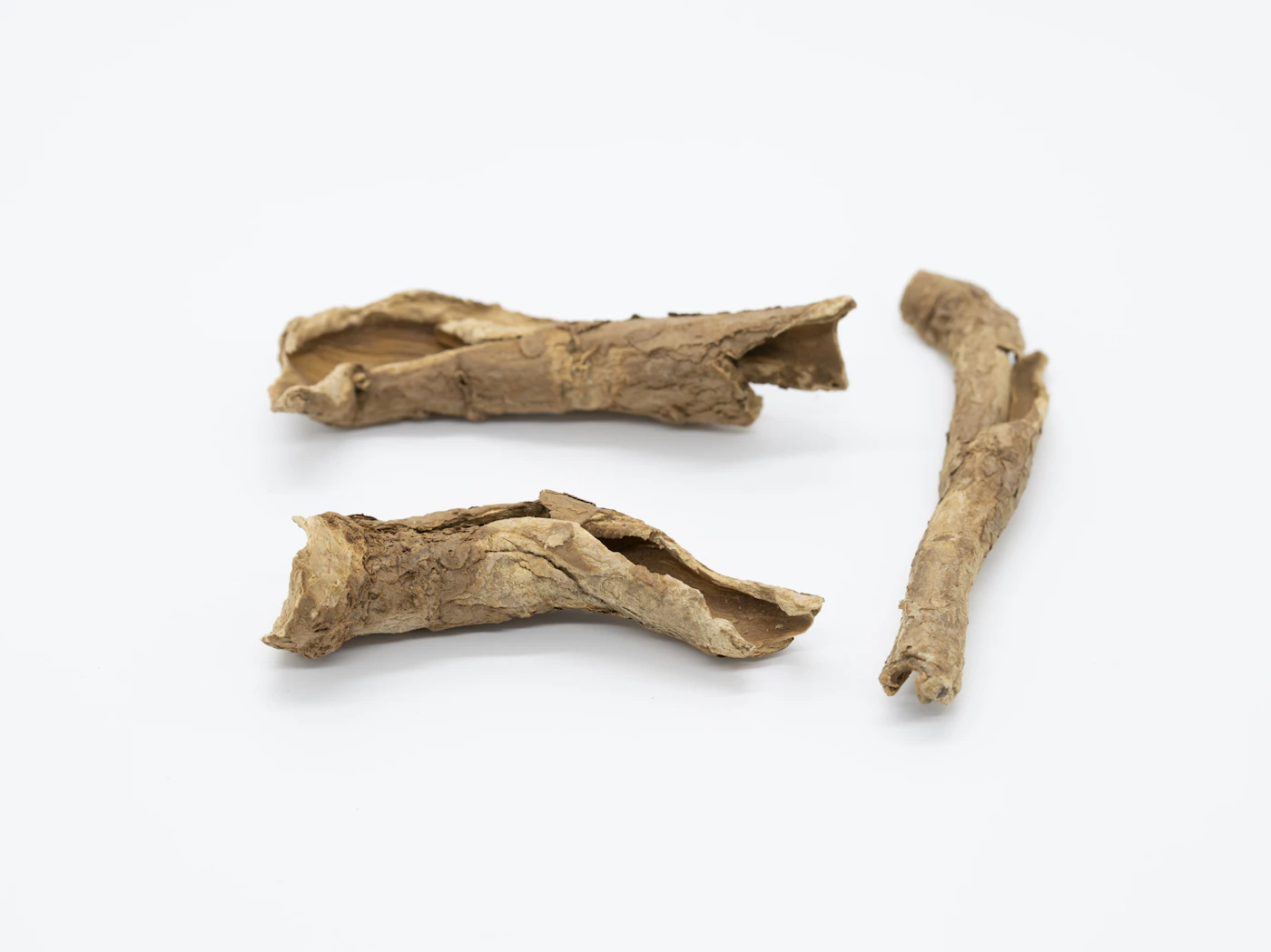
Open almost any classical Chinese formula book and you will find Gan Cao (甘草), licorice root, again and again. The Shanghan Lun, the 2nd-century classic by Zhang Zhongjing, includes licorice in roughly two-thirds of its formulas. Chinese physicians nicknamed it Guo Lao (国老), the “elder statesman”: a calm, respected figure who keeps everyone around the table working together.
At xemgiosinh.com, we think licorice teaches an important lesson. An herb can be both extremely common and genuinely risky when it is used carelessly. Here is how practitioners use it, and where the limits lie.
What Is Licorice Root (Gan Cao)?
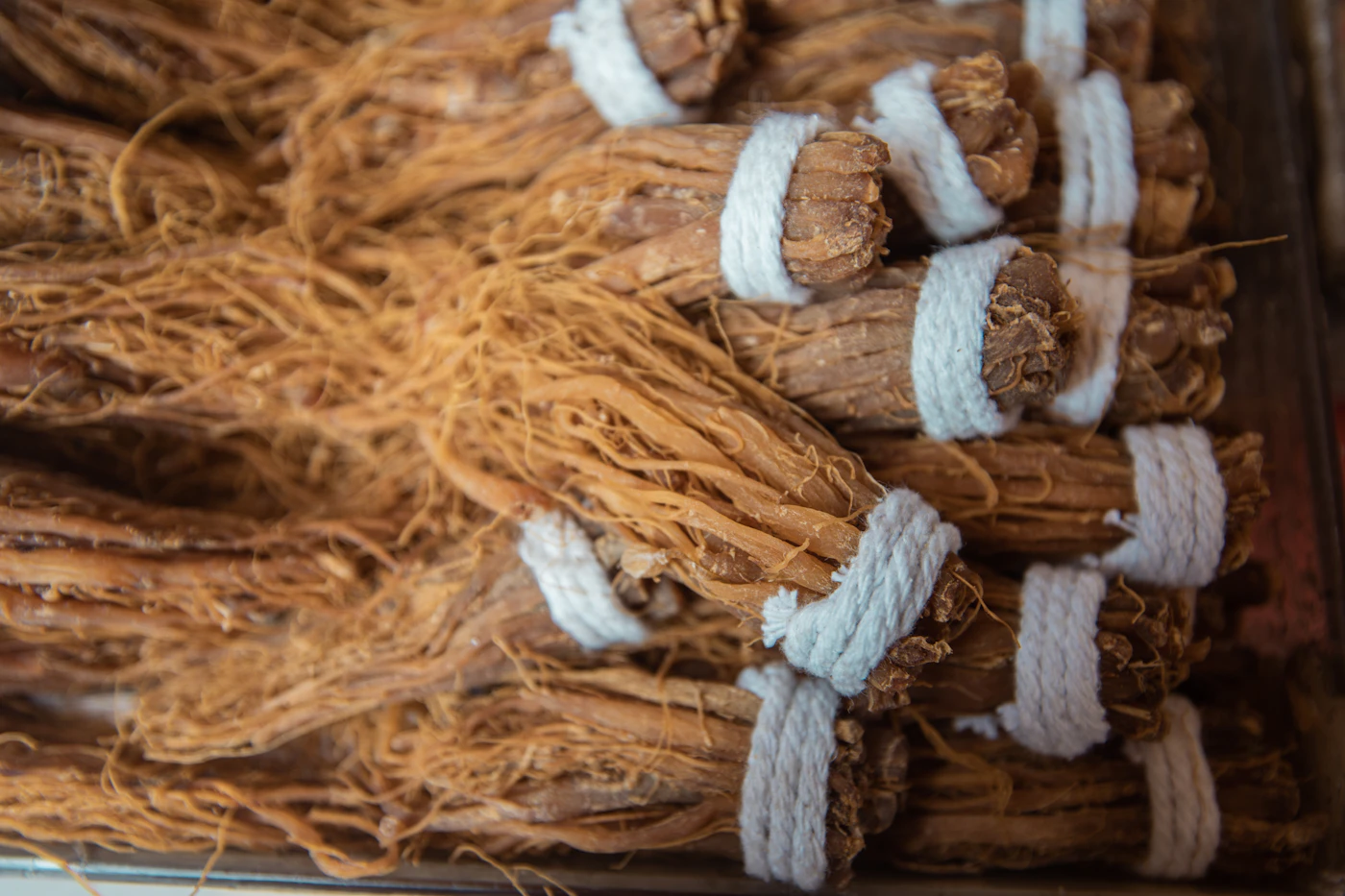
Gan Cao means “sweet herb”. It is the dried root and rhizome of Glycyrrhiza uralensis. Some pharmacopeias also accept G. glabra and G. inflata. The root is yellow inside, fibrous, and far sweeter than sugar because of a compound called glycyrrhizin. That same compound is behind both its effects and its best-known side effects.
Nature, Flavor and Channels
- Nature: neutral
- Flavor: sweet
- Channels entered: Heart, Lung, Spleen and Stomach (texts say it reaches all twelve channels)
- Category: herbs that tonify Qi (补气药)
Licorice sits among the Qi tonics alongside Asian ginseng and astragalus. In practice, though, it is used far more often for its harmonizing role than as a main tonic. Our Chinese herbs guide shows where it fits in the wider materia medica.
Five Key Actions of Licorice
1. Tonifies Spleen Qi
In larger amounts, honey-fried licorice supports digestion and energy. Typical signs for its use are fatigue, a weak appetite and loose stools.
2. Moistens the Lung and stops cough
Licorice soothes the throat and helps with coughs of many types, both hot and cold, depending on its partners.
3. Clears heat and relieves toxicity
Raw licorice is used for sore throats, sores and some cases of food or drug toxicity in classical texts. Today, poisoning is always a medical emergency, not a job for herbs.
4. Relieves spasms and pain
Paired with white peony root (Bai Shao), licorice forms Shao Yao Gan Cao Tang, a two-herb formula for cramping of the calves, abdomen or limbs.
5. Harmonizes and moderates other herbs
This is licorice’s most famous role. In small doses, it softens harsh or bitter herbs and slows down strong ones. It also helps very different ingredients act as one formula. In the traditional hierarchy of chief, deputy, assistant and envoy, it is the classic envoy.
Raw vs Honey-Fried Licorice
| Form | Chinese | Preferred for |
|---|---|---|
| Raw (Sheng Gan Cao) | 生甘草 | Sore throat, clearing heat and toxicity, harmonizing |
| Honey-fried (Zhi Gan Cao) | 炙甘草 | Tonifying Qi, supporting the Heart and Spleen |
Classic Formulas With Licorice
| Formula | Role of licorice | Traditional purpose |
|---|---|---|
| Gui Zhi Tang | Envoy; harmonizes Ying and Wei | Wind-cold with sweating |
| Si Jun Zi Tang | Envoy; gently tonifies the center | Spleen Qi deficiency |
| Zhi Gan Cao Tang | Chief herb | Palpitations with an irregular pulse |
| Shao Yao Gan Cao Tang | Co-chief with peony | Muscle cramps and spasms |
| Gan Mai Da Zao Tang | Chief herb | Emotional restlessness and sadness |
The “Eighteen Incompatibilities”
Classical pharmacy memorized a list of herb pairs that should not be combined, called the eighteen incompatibilities (十八反). For licorice, the list includes Gan Sui, Da Ji, Yuan Hua and Hai Zao. These are strong, harsh herbs that a home user would rarely meet. Still, the rule shows how seriously traditional herbalists took combinations.
Modern Safety: Why the Dose Matters
The biggest modern concern with licorice is pseudoaldosteronism. Glycyrrhizin slows the breakdown of cortisol in the kidneys, and this can cause:
- High blood pressure
- Low potassium levels, which may lead to muscle weakness or an irregular heartbeat
- Fluid retention and swelling
The risk rises with the dose and the length of use. It is higher in older adults and in people with heart or kidney disease. European food safety experts have suggested that regular intake of glycyrrhizic acid should stay below roughly 100 mg a day. Licorice teas, candies and supplements can quietly add up.
According to the NCCIH fact sheet on licorice root, licorice may interact with several medicines. These include diuretics, corticosteroids, digoxin and drugs that affect potassium or blood pressure. A large Finnish study linked heavy licorice consumption during pregnancy to later effects on children’s development, and pregnant people are advised to avoid large amounts. The Memorial Sloan Kettering licorice monograph lists additional interactions for professionals.
Traditional cautions also apply. Avoid licorice with dampness, fullness in the abdomen, nausea or swelling, because its sweetness is considered “cloying”.
How Much Is Too Much?
In most Chinese formulas, licorice is used in small amounts (about 3–6 g) and for a defined course. The problems usually arise from high doses, long-term self-use, or several licorice sources combined. If you take any of the medications above, or have high blood pressure, heart or kidney disease, talk to your doctor before using licorice in any concentrated form.
Licorice in Everyday Life
Many people take more licorice than they realize. It turns up in:
- Herbal teas, especially “sweet”, digestive and throat-soothing blends.
- Real licorice candy and some chewing tobaccos, which can contain large amounts of glycyrrhizin.
- Supplements for digestion, the adrenal glands or the throat.
- Chinese patent medicines, where it is listed as Gan Cao or Glycyrrhiza.
Each source may be modest on its own. Combined over weeks, they can reach levels that affect blood pressure and potassium. Reading labels is a simple, effective safety habit.
Who Should Avoid Concentrated Licorice
Speak to your doctor before using licorice in medicinal amounts if any of the following apply:
- High blood pressure, heart disease or heart-rhythm problems
- Kidney disease or low potassium levels
- Pregnancy
- Use of diuretics, corticosteroids, digoxin or blood-pressure medication
- Swelling (edema) or fluid retention
In these situations, a qualified herbalist can often leave licorice out of a formula or keep the dose very small. Its harmonizing role can sometimes be filled by other sweet herbs, such as red jujube.
Final Thoughts from the Xemgiosinh.com Team
Licorice is the quiet diplomat of Chinese herbal medicine. It makes formulas gentler, more pleasant and more unified. Used in small doses, for the right person and a sensible length of time, it is a remarkable herb. Used carelessly, it can raise blood pressure and upset the body’s mineral balance. Continue to the other profiles in our Chinese herbs hub, or return to xemgiosinh.com for our complete guide to Chinese herbal medicine.
Frequently Asked Questions
Is Gan Cao the same as licorice candy?
Not quite. Much licorice candy is flavored with anise, while real licorice products contain glycyrrhizin from the root. Both the medicinal root and candy made with real licorice can raise blood pressure if you consume a lot over time.
Why does licorice appear in so many formulas?
In small amounts, licorice harmonizes a formula. It moderates harsh herbs, softens bitter flavors and helps the ingredients work together. That is why it often plays the 'envoy' role.
Can licorice root raise blood pressure?
Yes. Glycyrrhizin can cause the body to retain sodium and lose potassium, which may raise blood pressure and cause swelling. The risk grows with higher doses and longer use.
What is DGL licorice?
DGL stands for deglycyrrhizinated licorice, a form with most of the glycyrrhizin removed. It is marketed mainly for digestive comfort. It is not the same as Gan Cao used in Chinese formulas.