Astragalus Root (Huang Qi): A Detailed Guide by the Xemgiosinh.com Team
A detailed xemgiosinh.com guide to astragalus root (Huang Qi): how it tonifies Qi, supports defensive Wei Qi, key formulas and safety notes.
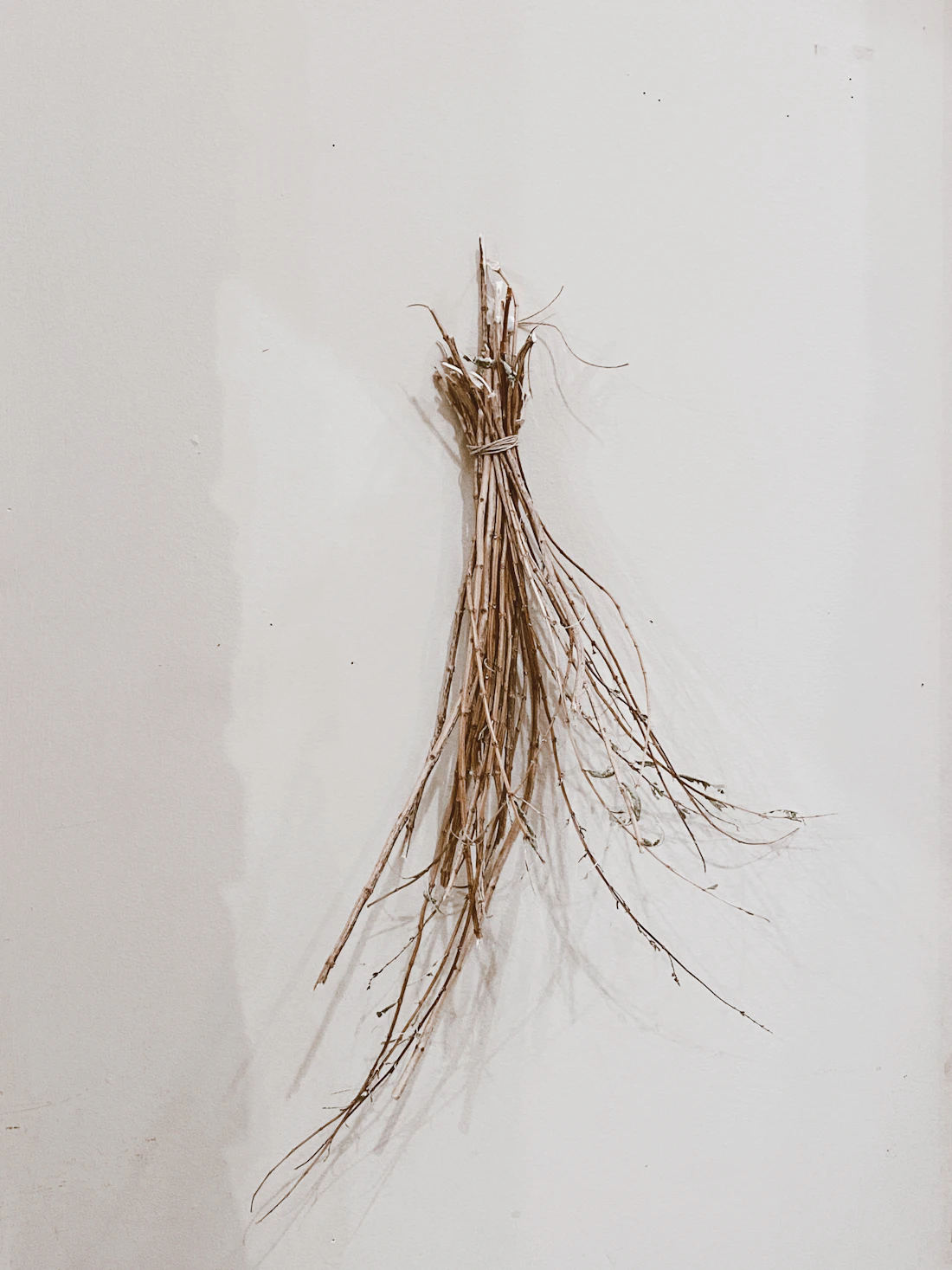
The Chinese name Huang Qi (黄芪) means “yellow leader”. The inside of a good root is pale yellow, and it has long been called a leader among the tonic herbs. Li Shizhen, writing in the 16th-century Bencao Gangmu, explained that astragalus earned the name because it is “the chief of the tonifying herbs”.
On xemgiosinh.com, we often describe astragalus as the Qi tonic for the outside of the body. It strengthens the protective layer, stops Qi from leaking or sinking, and helps tissues recover. That makes it the natural partner, and sometimes the better choice, compared with Asian ginseng.
What Is Astragalus (Huang Qi)?
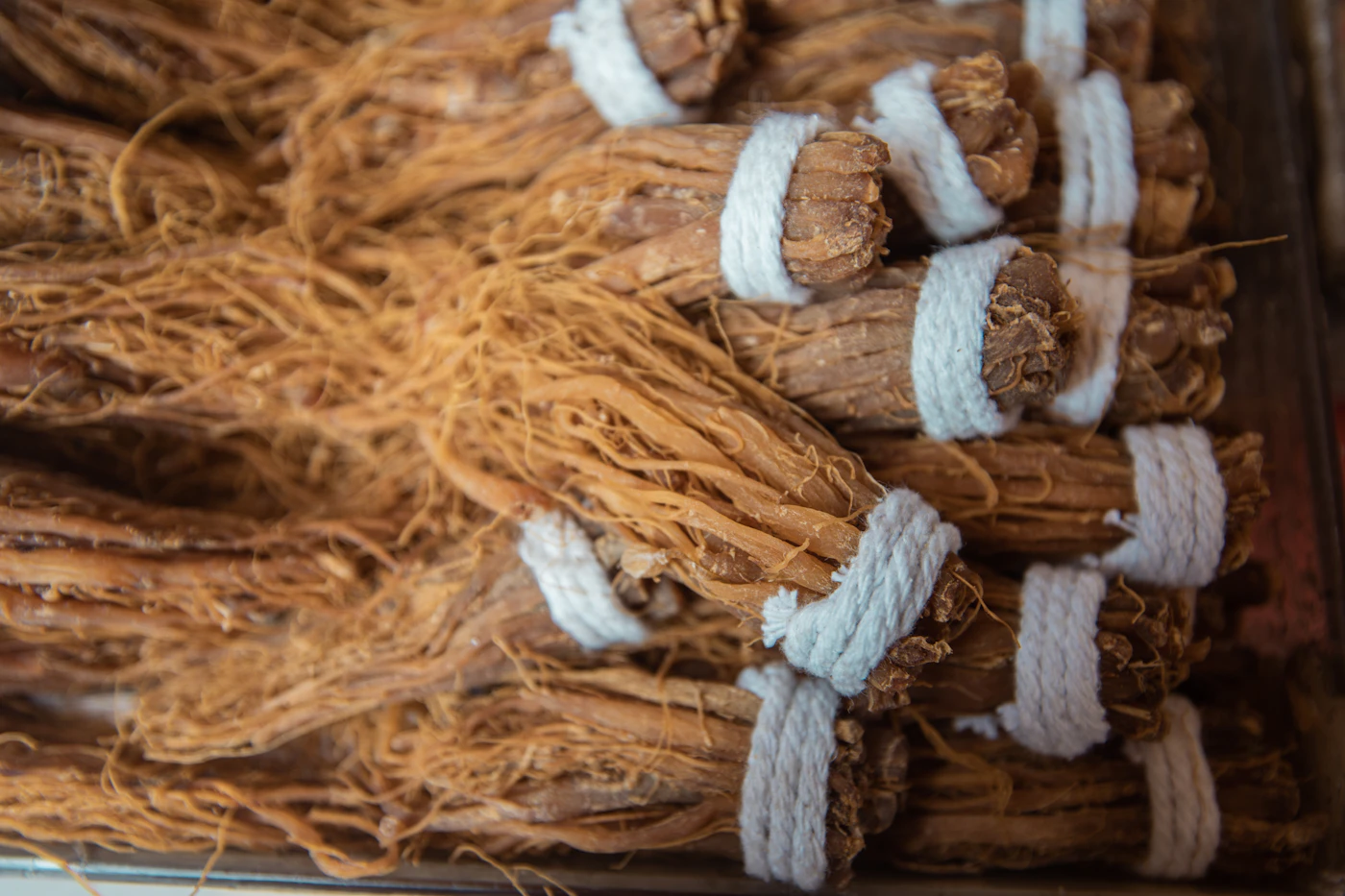
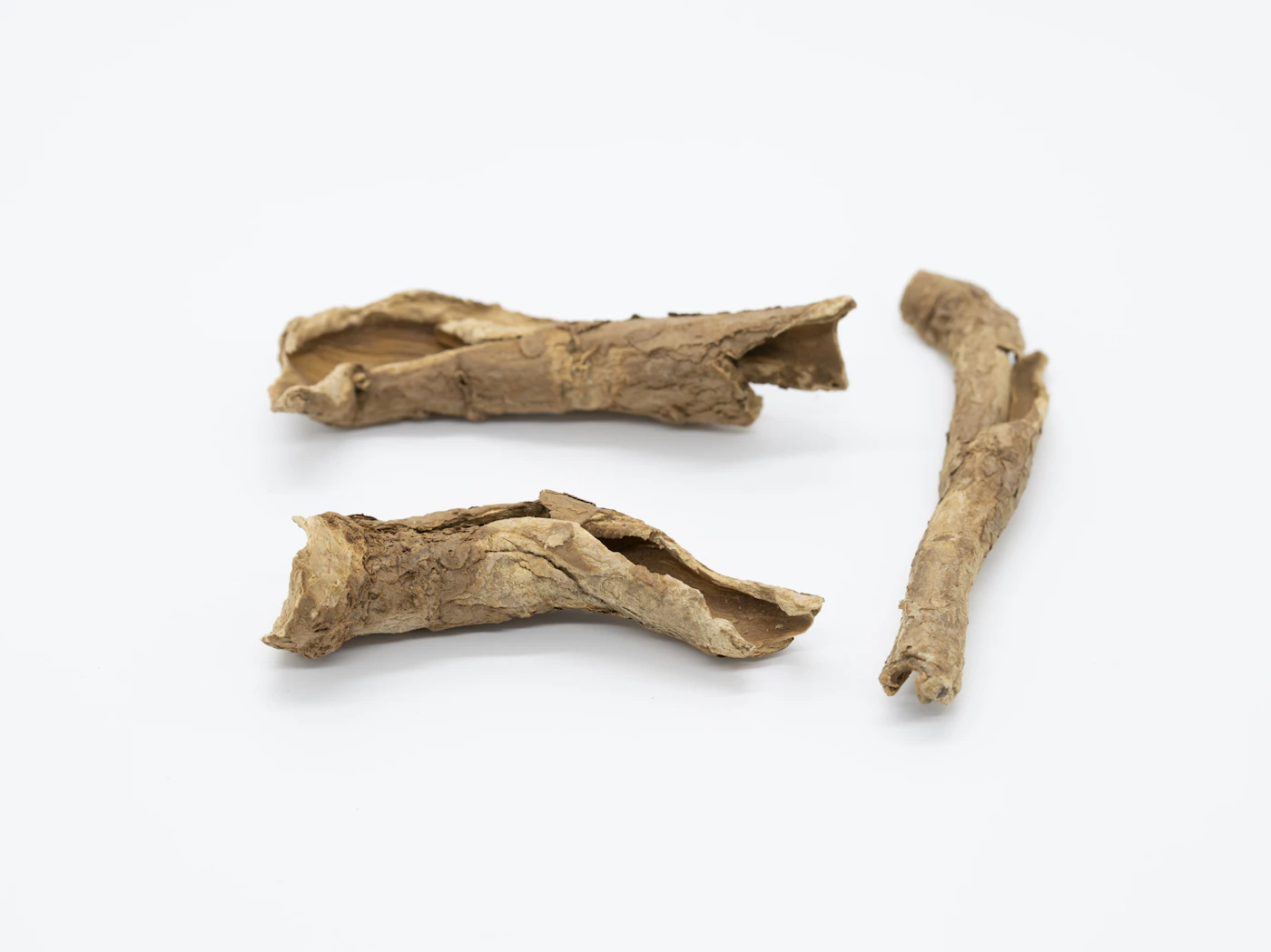
Huang Qi is the dried root of Astragalus mongholicus (often listed as Astragalus membranaceus), a perennial legume from northern China and Mongolia. Roots are harvested after several years, then sliced lengthwise or diagonally into long, fibrous pieces with a sweet, bean-like taste.
The Astragalus genus contains thousands of species. Some wild species, known as “locoweeds”, are toxic to livestock. The medicinal species used in Chinese medicine are different plants, which is one reason sourcing from a reputable supplier matters.
Nature, Flavor and Channels
- Nature: slightly warm
- Flavor: sweet
- Channels entered: Spleen and Lung
- Category: herbs that tonify Qi (补气药)
Like ginseng, astragalus is sweet and warm, so it suits people who are depleted rather than overheated. For a side-by-side view of the tonic herbs, see our Chinese herbs guide.
Five Key Actions of Astragalus
1. Tonifies Qi and raises sinking Yang
When the Spleen’s Qi is too weak to “hold things up”, Chinese medicine describes Qi as sinking. The signs are chronic fatigue, heaviness, organ prolapse, or chronic diarrhea. Astragalus is the key herb for lifting, and the classic formula here is Bu Zhong Yi Qi Tang.
2. Firms the surface and stops sweating
The body’s protective Qi, called Wei Qi, circulates at the surface like a shield. When it is weak, people catch colds easily and sweat with little effort. Astragalus “firms the exterior” (固表). Paired with Bai Zhu and a small amount of Fang Feng, it forms Yu Ping Feng San, the “Jade Windscreen Powder”.
3. Promotes urination and reduces swelling
Astragalus helps move fluids when swelling comes from weak Qi, especially swelling of the face and limbs. It shares the chief role with Fang Ji in Fang Ji Huang Qi Tang.
4. Helps sores and wounds heal
Traditionally, astragalus is used to “expel pus and generate flesh” (托毒生肌). This means helping chronic, slow-healing sores or ulcers close when the body lacks the strength to finish the job.
5. Supports the production of Blood
Because Qi generates Blood, astragalus is combined with Dang Gui in Dang Gui Bu Xue Tang. The formula uses a famous 5:1 ratio of astragalus to Dang Gui for weakness after blood loss.
Raw vs Honey-Fried Astragalus
| Form | Chinese | Preferred for |
|---|---|---|
| Raw (Sheng Huang Qi) | 生黄芪 | Firming the exterior, reducing swelling, healing sores |
| Honey-fried (Zhi Huang Qi) | 炙黄芪 | Tonifying the middle, lifting sinking Qi |
Honey-frying makes the herb warmer and more tonifying for the digestive center. Pharmacies label the two forms separately, so check your prescription.
Classic Formulas With Astragalus
| Formula | Key partners | Traditional purpose |
|---|---|---|
| Bu Zhong Yi Qi Tang | Ren Shen, Bai Zhu, Chai Hu, Sheng Ma | Sinking Qi, chronic fatigue, prolapse |
| Yu Ping Feng San | Bai Zhu, Fang Feng | Frequent colds, spontaneous sweating |
| Dang Gui Bu Xue Tang | Dang Gui | Blood deficiency after blood loss |
| Gui Pi Tang | Ren Shen, Long Yan Rou | Poor sleep and fatigue with Heart and Spleen deficiency |
Licorice root appears in most of these formulas to harmonize the other herbs.
Astragalus vs Ginseng
| Astragalus (Huang Qi) | Asian ginseng (Ren Shen) | |
|---|---|---|
| Strength | Moderate | Strong |
| Main focus | Surface, lifting, fluids, tissue repair | Original Qi, Spleen and Lung, the mind |
| Nature | Slightly warm | Slightly warm |
| Everyday use | Common in soups and long-term formulas | Usually reserved for clear deficiency |
What Modern Research Says
Astragalus has been studied for heart, kidney and immune-related conditions, often in combination formulas. According to the NCCIH fact sheet on astragalus, there is not enough high-quality evidence to show it is effective for any specific health condition, and much of the research has been done in China with small or low-quality trials. The Memorial Sloan Kettering astragalus monograph is a helpful summary of known interactions.
Safety and Cautions
Traditional cautions:
- Avoid during the early, acute stage of a cold or flu (exterior excess).
- Avoid with food stagnation, damp accumulation or bloating.
- Avoid with Yin deficiency and heat signs, such as night sweats with a red tongue.
- Avoid in the early, hot stage of sores and abscesses.
Modern cautions:
- Astragalus may interact with drugs that suppress the immune system.
- It may affect blood sugar and blood pressure in some people.
- Safety during pregnancy and breastfeeding has not been established.
Astragalus in Food Therapy
Astragalus is one of the few strongly medicinal herbs that also has a long tradition in the kitchen. Its mild, sweet taste blends easily into broths, and families in northern China often add a few slices to soups during the colder months.
A simple astragalus and chicken broth
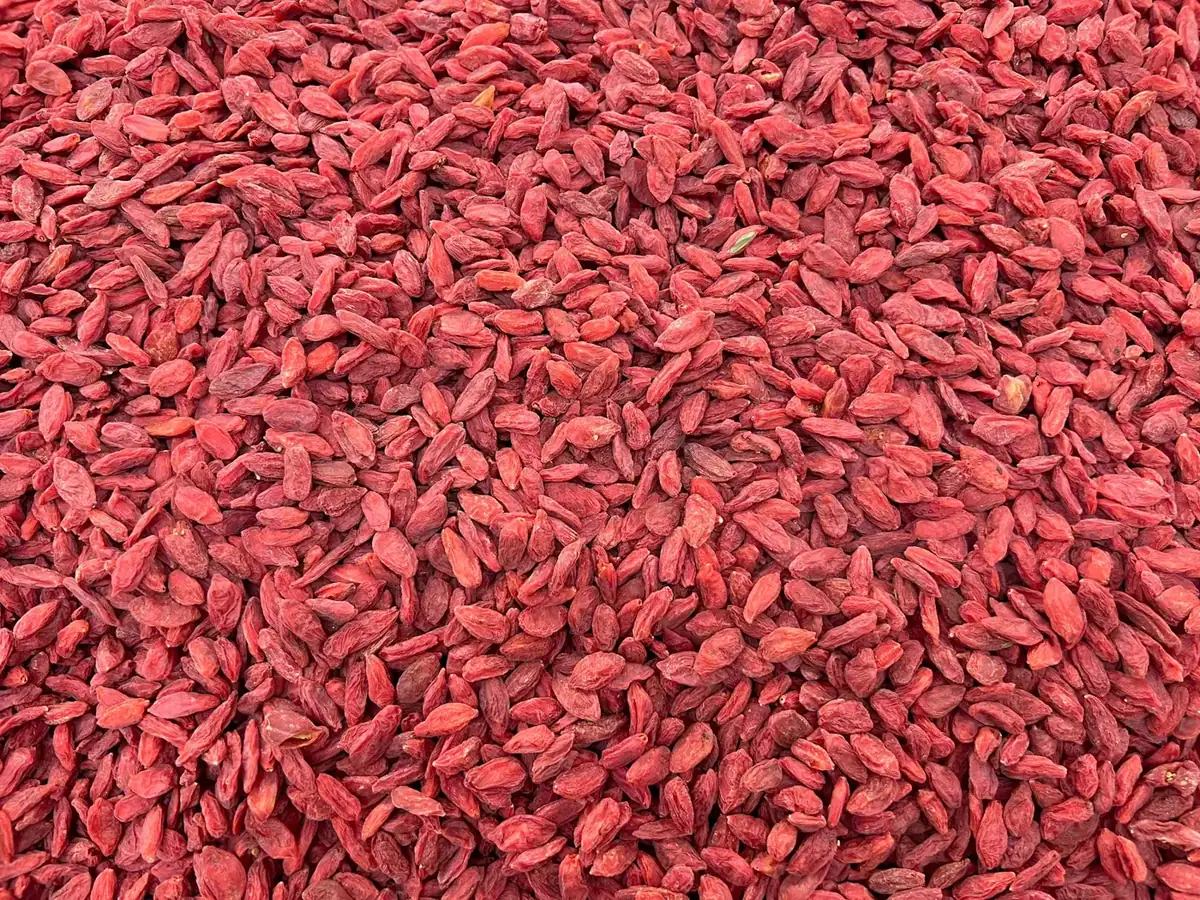
- Rinse 15–20 g of sliced astragalus root, a few red jujube dates and a small handful of goji berries.
- Place them in a pot with chicken pieces or bones, a few slices of fresh ginger and plenty of water.
- Bring to a boil, skim off any foam, then simmer gently for 1½ to 2 hours.
- Add the goji berries in the last 20 minutes. Season lightly, then remove the woody astragalus slices before serving.
This is a traditional nourishing soup, not a treatment. Follow the same cautions as for the herb itself, and skip it during an acute cold or fever.
Choosing Quality Astragalus
- Look for long, wide slices with a pale yellow center and a firm, fibrous texture.
- Taste a small piece. Good astragalus is noticeably sweet and bean-like, not bitter or musty.
- Avoid bleached or very white slices. Sulfur fumigation is sometimes used to whiten roots.
- Buy from reputable suppliers that confirm the species (Astragalus mongholicus or A. membranaceus) and test for contaminants.
Final Thoughts from the Xemgiosinh.com Team
Astragalus is one of the most practical tonic herbs in Chinese medicine. It is gentle enough for long-term formulas and soups, yet specific enough to lift, protect and repair. The key is timing: build defenses between illnesses, not at the start of one. Explore the rest of our Chinese herbs hub, or visit xemgiosinh.com for the full introduction to Chinese herbal medicine.
Frequently Asked Questions
Can I take astragalus when I have a cold?
Traditionally, astragalus is avoided at the start of an acute cold or flu, because it can 'close the door' while the illness is still on the surface. Formulas like Yu Ping Feng San are used between episodes to help prevent frequent colds.
What is the difference between astragalus and ginseng?
Both tonify Qi. Ginseng works more deeply on the body's original Qi and is stronger. Astragalus works more on the surface: it strengthens defensive Qi, controls sweating, reduces swelling and lifts sinking Qi.
How is astragalus used in cooking?
Slices of astragalus are often simmered in chicken or bone broths for an hour or more, then removed before serving. This is a traditional food-therapy use, not a replacement for treatment.
Is astragalus safe with autoimmune conditions?
Because astragalus may stimulate immune activity, people with autoimmune diseases, or anyone taking immunosuppressant drugs such as after a transplant, should only use it with medical advice.