How to Brew Chinese Herbs: A Step-by-Step Guide by the Xemgiosinh.com Team
A step-by-step guide by the xemgiosinh.com team to brewing Chinese herbs at home: pots, soaking, simmering times, special instructions and storage.
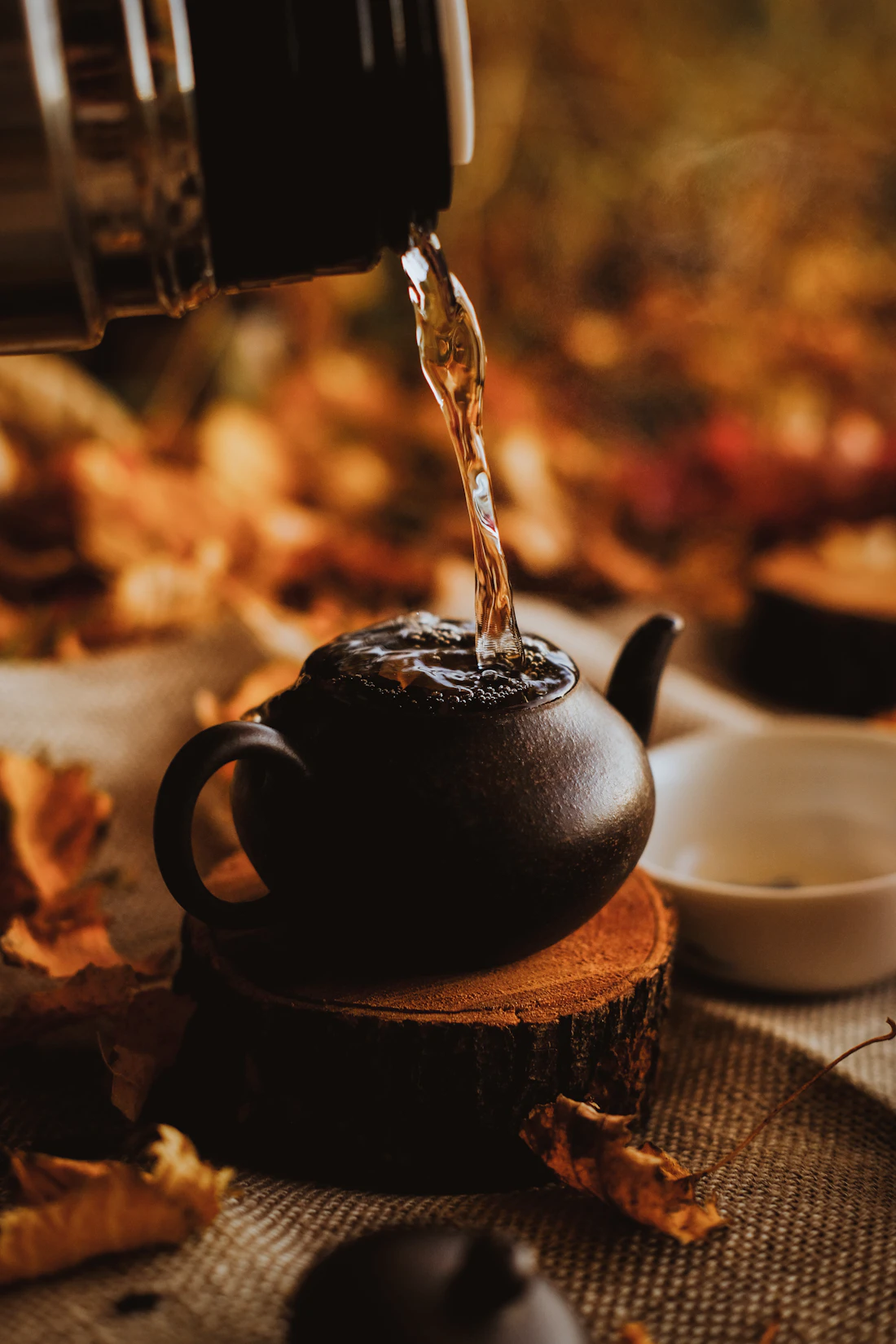
Many people are surprised when their first Chinese herbal prescription arrives as a bag of roots, bark, seeds and flowers. It is not a bottle of pills. Cooking these herbs into a decoction (汤剂, tang ji) is the most traditional way to take Chinese medicine, and it is the form that practitioners can adjust most precisely.
At xemgiosinh.com, we believe the process becomes easy once you understand the reasons behind each step. This guide walks you through it from start to finish.
Why Decoctions Still Matter
The Jin-dynasty physician Li Dongyuan wrote that “tang zhe dang ye” (汤者荡也): decoctions “sweep away” illness. Because cooking extracts herbs efficiently, decoctions tend to act faster and more strongly than pills. Each ingredient can be adjusted from one visit to the next. The trade-off is time, effort, and a taste that is often earthy and bitter.
What You’ll Need
- A suitable pot. Clay or ceramic herb pots are traditional. Glass and good stainless steel also work. Avoid iron, copper and aluminum, which may react with some herbs.
- Filtered or clean tap water.
- A fine strainer or cheesecloth.
- A timer, and heat-proof jars for storage.
Step-by-Step: How to Brew Your Herbs
1. Check your herbs against the prescription
Most pharmacies pack one bag per day. Look for any small packets labeled with special instructions, such as “decoct first” or “add at the end”. These are explained below.
2. Soak the herbs
Place the herbs in the pot and cover them with cold water. Soak for 20–30 minutes, or up to 60 minutes for dense roots, barks and seeds. Soaking helps the herbs release their active compounds evenly. Do not rinse away the fine powders at the bottom.
3. Add the right amount of water
Add water until it covers the herbs by about 2–3 cm (roughly an inch). For a typical daily bag, that is about 3–4 cups. Light, fluffy herbs such as flowers and leaves may need more.
4. Bring to a boil, then simmer
Bring the pot to a boil over high heat. Then reduce to a gentle simmer, and keep the lid on or slightly ajar. The simmering time depends on the type of formula:
| Formula type | Example | First simmer |
|---|---|---|
| Exterior-releasing, aromatic | Gui Zhi Tang | 15–20 minutes |
| General formulas | Most prescriptions | 20–30 minutes |
| Tonic formulas | Si Jun Zi Tang | 40–60 minutes |
5. Strain and cook a second time
Strain off the liquid, which usually comes to about one cup. Then add fresh water to the same herbs, a little less than the first time, and simmer again for 20–30 minutes.
6. Combine and divide
Mix the two batches together. This evens out the concentration. Divide the liquid into two doses, usually taken morning and evening, unless your practitioner says otherwise.
Special Instructions You May See
Some herbs need special handling. Pharmacies usually pack them separately and label them in Chinese, so it helps to know these terms:
| Term | Meaning | Typical herbs |
|---|---|---|
| 先煎 Xian Jian | Decoct first, for 20–30+ minutes before adding the others | Minerals and shells such as Long Gu, Mu Li, Shi Gao |
| 后下 Hou Xia | Add in the last 5–10 minutes | Aromatic herbs such as Bo He (mint) and Sha Ren |
| 包煎 Bao Jian | Cook inside a cloth bag | Fine seeds or fuzzy herbs such as Che Qian Zi, Xuan Fu Hua |
| 另煎 Ling Jian | Cook separately, then add the liquid | Precious herbs such as Ren Shen (ginseng) |
| 烊化 Yang Hua | Melt into the hot, strained decoction | Gelatins and syrups such as E Jiao and maltose |
| 冲服 Chong Fu | Stir the powder into the finished liquid | Powders such as San Qi |
Important: some toxic herbs, such as prepared aconite (Fu Zi), must be cooked first for a long time to reduce their toxicity. Only use them exactly as a qualified practitioner instructs.
When and How to Drink It
- Drink the decoction warm, not hot and not refrigerator-cold.
- Tonic formulas are often taken before meals. Formulas that may irritate the stomach are taken after meals.
- Formulas for sleep may be taken in the evening.
- If a formula makes you nauseous, try smaller, more frequent sips and tell your practitioner.
Storing and Reheating
Store leftover decoction in a sealed glass jar in the refrigerator for up to 2–3 days. Reheat each dose gently on the stove or in a cup of hot water. If it smells sour or looks moldy, throw it away.
Decoction vs Granules vs Pills
| Form | Pros | Cons |
|---|---|---|
| Decoction (汤 tang) | Strongest, most customizable | Time-consuming, strong taste |
| Granules | Quick to mix, still adjustable | Costly, and potency varies by maker |
| Pills (丸 wan) | Convenient; ideal for long-term tonics such as Liu Wei Di Huang Wan | Slower acting, fixed formula |
| Powders (散 san) | Traditional for formulas like Xiao Yao San | Less common today |
Safety Tips
- Never swap or add herbs without asking your practitioner.
- Buy from reputable pharmacies that test for identity, heavy metals and pesticides. The NCCIH overview of Traditional Chinese Medicine explains why product quality matters.
- Tell your doctor about every herb you take. The FDA regulates herbs as dietary supplements, which means they are not tested for safety and effectiveness the way medicines are.
- Stop and seek advice if you get a rash, palpitations, severe stomach upset or any unusual symptom.
Common Mistakes to Avoid
- Skipping the soak. Dry herbs dropped into boiling water extract unevenly.
- Boiling hard for the whole time. After the first boil, keep it at a gentle simmer so the liquid does not reduce too fast or scorch.
- Letting it boil dry. Set a timer. If the pot burns, discard the herbs.
- Ignoring the small packets. Special-instruction herbs added at the wrong time can change the formula’s effect.
- Using a cracked or glazed pot of unknown origin. Old decorative glazes may contain lead.
- Making several days at once without refrigeration. Decoctions spoil quickly at room temperature.
Tips to Make It Easier to Drink
- Drink it warm and fairly quickly, rather than sipping slowly, which prolongs the taste.
- Rinse your mouth with warm water afterward, or follow with a slice of fresh fruit if your practitioner allows it.
- Ask about reducing the volume. Simmering the combined liquid a little longer concentrates it into a smaller dose.
- Ask about granules if brewing every day is not realistic. A formula you actually take works better than a perfect one you skip.
Final Thoughts from the Xemgiosinh.com Team
Brewing Chinese herbs is a daily ritual as much as a treatment: soak, simmer, strain, repeat. Once you know why each step matters, it takes about an hour of mostly hands-off time. Explore the formulas you might brew in our classic formulas hub, or return to xemgiosinh.com for our full introduction to Chinese herbal medicine.
Frequently Asked Questions
Can I use a slow cooker or an electric herb cooker?
Electric herb cookers made for Chinese decoctions work well if you follow your practitioner's timing. Slow cookers usually run too cool to decoct properly, so ask your practitioner before using one.
What if I burn the herbs?
Discard them. Scorched herbs change the formula's effect and taste. Do not add water and keep cooking a burned batch.
Can I add sugar or honey to make it taste better?
Ask your practitioner first. A little is sometimes allowed, but sweeteners can dampen some formulas. Drinking the decoction warm and quickly usually makes it easier.
Can I reuse the herbs a third time?
Traditionally, herbs are cooked twice and the two batches are combined. A third cooking extracts very little and is not usually recommended.