Liu Wei Di Huang Wan: A Detailed Guide by the Xemgiosinh.com Team
A helpful xemgiosinh.com guide to Liu Wei Di Huang Wan, the classic Kidney Yin pill: its six herbs, clever design, variations and safety.
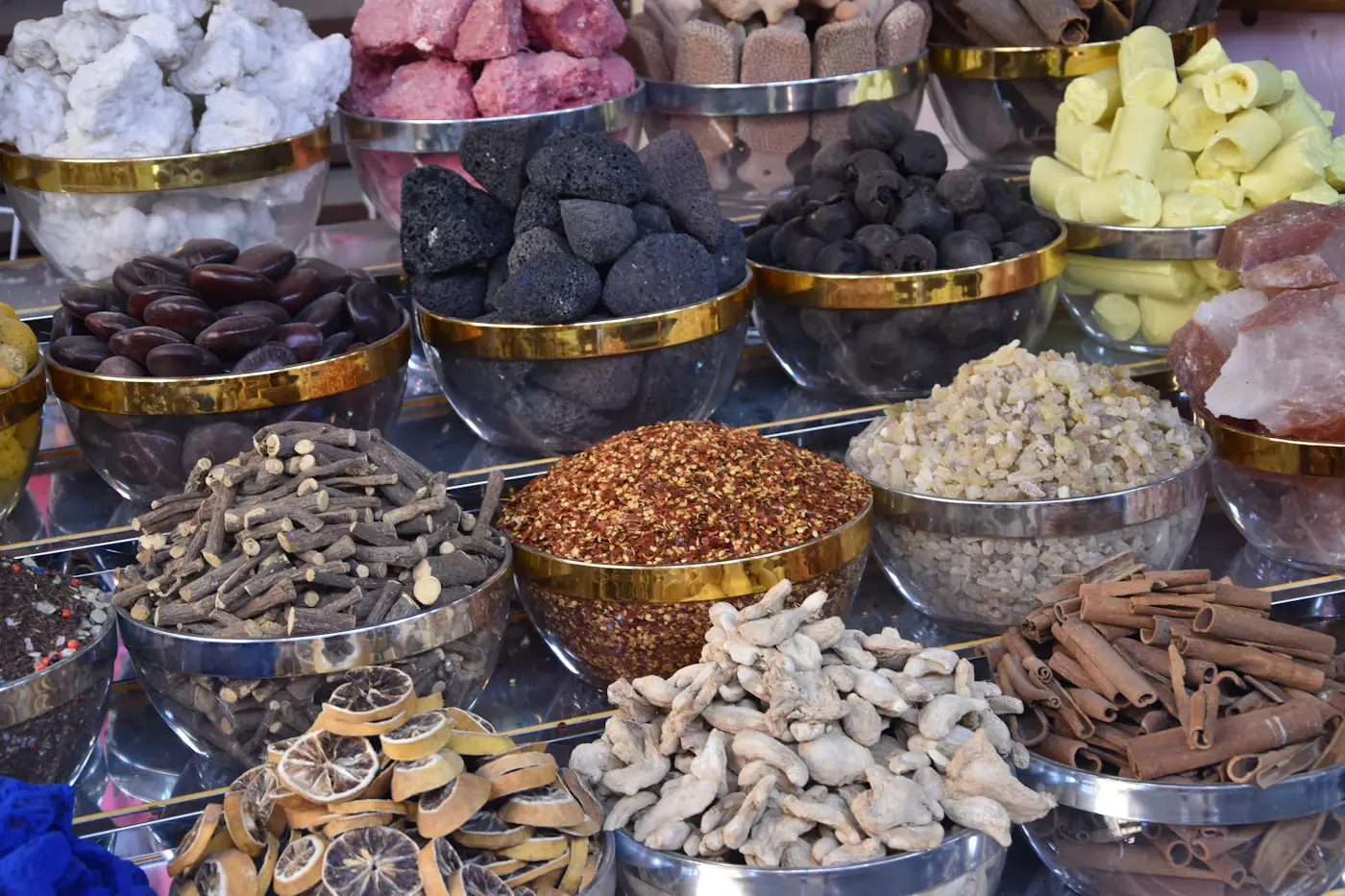
Walk into almost any Chinese pharmacy and you will find Liu Wei Di Huang Wan (六味地黄丸) on the shelf. It comes as small black honey pills or concentrated tablets. It is one of the best-selling classical formulas in the world, and one of the most elegantly designed. It nourishes Kidney Yin, the cooling, moistening reserve that Chinese medicine associates with aging, bones, hearing and hormonal balance.
At xemgiosinh.com, we explain this formula in detail because it is widely self-prescribed, and it is not right for everyone.
What Is Liu Wei Di Huang Wan?
The formula was created by the Song-dynasty pediatrician Qian Yi (钱乙). It was published in 1119 in Xiao’er Yao Zheng Zhi Jue (Key to Therapeutics of Children’s Diseases). Qian Yi started from Shen Qi Wan, an earlier formula by Zhang Zhongjing, and removed its two warming herbs, cinnamon twig and prepared aconite. He wanted a gentle Yin tonic for children with slow development. This simple change created a new formula that adult medicine later adopted on a huge scale.
Three Tonify, Three Drain
The genius of Liu Wei Di Huang Wan is its balance, which is summed up as three tonify, three drain (三补三泻).
| Tonifying herb | Organ | Paired draining herb | Purpose of the pair |
|---|---|---|---|
| Shu Di Huang (prepared rehmannia), 24 g | Kidney | Ze Xie (water plantain), 9 g | Nourishes Kidney Yin while draining turbid dampness |
| Shan Zhu Yu (cornus fruit), 12 g | Liver | Mu Dan Pi (tree peony bark), 9 g | Nourishes the Liver while clearing Liver fire |
| Shan Yao (Chinese yam), 12 g | Spleen | Fu Ling (poria), 9 g | Strengthens the Spleen while draining dampness |
The classic ratio is 8 : 4 : 4 : 3 : 3 : 3, with rehmannia as the clear chief. Rich tonics on their own can be heavy and clogging. Each draining herb keeps its partner from causing stagnation.
The Pattern It Treats
Liu Wei Di Huang Wan is used for Kidney and Liver Yin deficiency. The typical signs are:
- A sore, weak lower back and knees
- Dizziness, tinnitus or gradual hearing changes
- Night sweats and “five-center heat” (warm palms, soles and chest)
- Dry mouth and throat, especially at night
- Hot flushes, or afternoon warmth
- A red tongue with little coating, and a thin, rapid pulse
Famous Variations
Few formulas have produced as many descendants. The best-known “Di Huang Wan family” members are:
| Formula | Added herbs | Main use |
|---|---|---|
| Zhi Bai Di Huang Wan | Zhi Mu, Huang Bai | Yin deficiency with stronger heat: night sweats, hot flushes |
| Qi Ju Di Huang Wan | Goji berry (Gou Qi Zi), chrysanthemum | Dry eyes and blurred vision |
| Mai Wei Di Huang Wan | Mai Men Dong, Wu Wei Zi | Kidney and Lung Yin deficiency with a dry cough |
| Du Qi Wan | Wu Wei Zi | Kidney deficiency with wheezing |
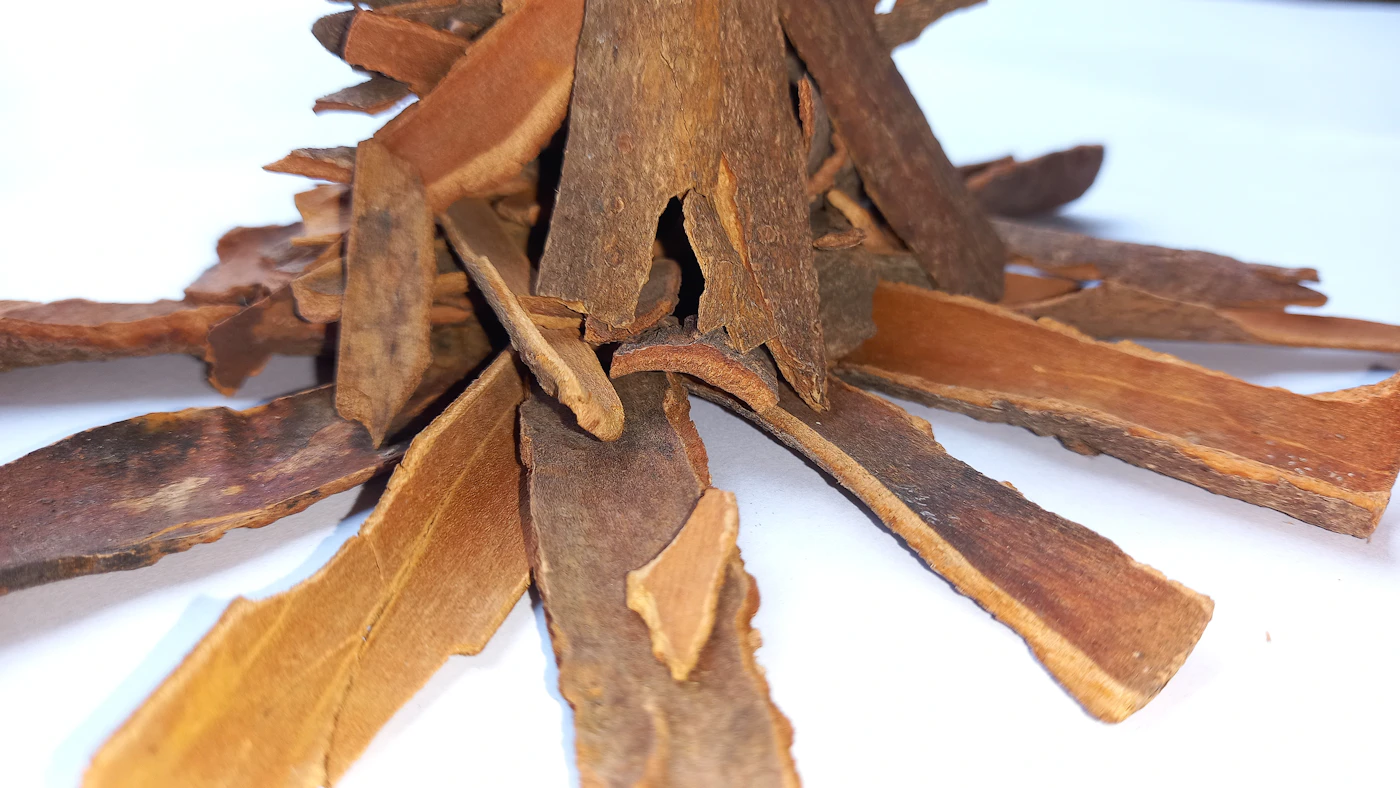
| Jin Gui Shen Qi Wan | The original, with cinnamon and prepared aconite | Kidney Yang deficiency with coldness |
Pills, Granules or Decoction?
The name ends in wan (丸), meaning pill. Pills act slowly and steadily, which suits long-term tonics. Traditional honey pills and modern concentrated pills are both common. Always follow the label or your practitioner’s instructions, because strengths vary greatly between brands. When a practitioner needs to modify the formula, they may prescribe it as a decoction instead. Our decoction guide explains how to cook one.
Liu Wei Di Huang Wan vs Zhi Bai Di Huang Wan
These two are often confused on pharmacy shelves. Liu Wei Di Huang Wan is the balanced base formula for Yin deficiency with only mild heat. Zhi Bai Di Huang Wan adds Zhi Mu and Huang Bai, two cold, bitter herbs that clear the “empty heat” that develops when Yin is badly depleted. Choose Zhi Bai when night sweats, hot flushes, a dry red tongue or burning sensations are prominent. Because its added herbs are cold, it is even less suitable for people with weak digestion or loose stools.
What Modern Research Says
Liu Wei Di Huang Wan has been studied in many small clinical trials, mostly as an add-on to conventional treatment. For example, a recent systematic review on early diabetic nephropathy reported possible benefits alongside standard care. It also highlighted the limited quality of the evidence. More rigorous, independent trials are still needed.
Safety and Product Quality
Traditional cautions:
- Avoid with Spleen deficiency: poor appetite, bloating or loose stools. Rehmannia is cloying.
- Pause during colds, flu and other acute conditions.
- Not suitable for Yang deficiency with coldness, which needs a warming formula instead.
Quality matters. Patent medicines vary widely in quality. Some imported products have been found to contain heavy metals, undeclared drugs or the wrong herbs. The NCCIH overview of Traditional Chinese Medicine warns about this risk. Choose manufacturers that follow GMP standards and publish third-party test results. Tell your doctor about any formula you take.
Lifestyle Support for Kidney Yin
In Chinese medicine, Yin is consumed by overwork, late nights, chronic stress, excessive heat and aging. A Yin tonic works best when that drain is reduced. Practitioners typically suggest:
- Sleeping before 11 p.m. Night is the Yin time of day, and rest is when Yin is replenished.
- Avoiding chronic overwork and long periods without rest.
- Limiting alcohol, coffee and very spicy food, which are considered drying and heating.
- Staying well hydrated, and including moistening foods such as pears, black sesame, black beans, tofu and Chinese yam.
- Choosing calm, restorative exercise, such as walking, tai chi or yoga, over intense sessions that leave you drenched in sweat.
How Long Is It Usually Taken?
Because it is a gentle pill formula, Liu Wei Di Huang Wan is often taken for several weeks to a few months, with regular check-ins. Signs that it is suiting you include better sleep, fewer night sweats and less dryness. Signs that it is not include bloating, loss of appetite, loose stools or a heavy feeling. In that case, your practitioner may add digestive herbs or switch formulas.
Never extend a course indefinitely without review. Patterns change, and a formula that was right in winter may not suit you in summer.
Final Thoughts from the Xemgiosinh.com Team
Liu Wei Di Huang Wan shows the elegance of Chinese formula design. Three nourishing herbs are balanced by three draining ones, so the formula can be used steadily over time. It is excellent for the right pattern, and unsuitable for weak digestion or cold patterns. Explore more guides in our classic formulas hub, or return to xemgiosinh.com for our complete introduction to Chinese herbal medicine.
Frequently Asked Questions
Is Liu Wei Di Huang Wan only for men?
No. It is used for Kidney and Liver Yin deficiency in anyone. Menopause-related night sweats and hot flushes, for example, are often treated with it or its variations.
Can I take Liu Wei Di Huang Wan when I have a cold?
Traditionally, tonic formulas are paused during an acute cold or flu. Treat the acute illness first, then resume the tonic afterward if your practitioner agrees.
What is the difference between Liu Wei Di Huang Wan and Jin Gui Shen Qi Wan?
Jin Gui Shen Qi Wan is the older, warming version that includes cinnamon and prepared aconite to support Kidney Yang. Liu Wei Di Huang Wan removes those two herbs, turning it into a cooling, nourishing Kidney Yin formula.
Why does it upset my stomach?
Prepared rehmannia (Shu Di Huang) is rich and heavy. People with weak digestion, bloating or loose stools may feel worse, and a practitioner may add digestive herbs or choose a different formula.
Can I take Liu Wei Di Huang Wan with other supplements or medicines?
Often yes, but check first. Tell your doctor and herbalist about every medicine and supplement you use, especially if you take diabetes, blood-pressure or blood-thinning drugs, so they can watch for interactions and adjust doses if needed.