Gui Zhi Tang: A Complete Guide by the Xemgiosinh.com Team
The xemgiosinh.com team explains Gui Zhi Tang (Cinnamon Twig Decoction): its five herbs, the wind-cold pattern it treats and how to take it.
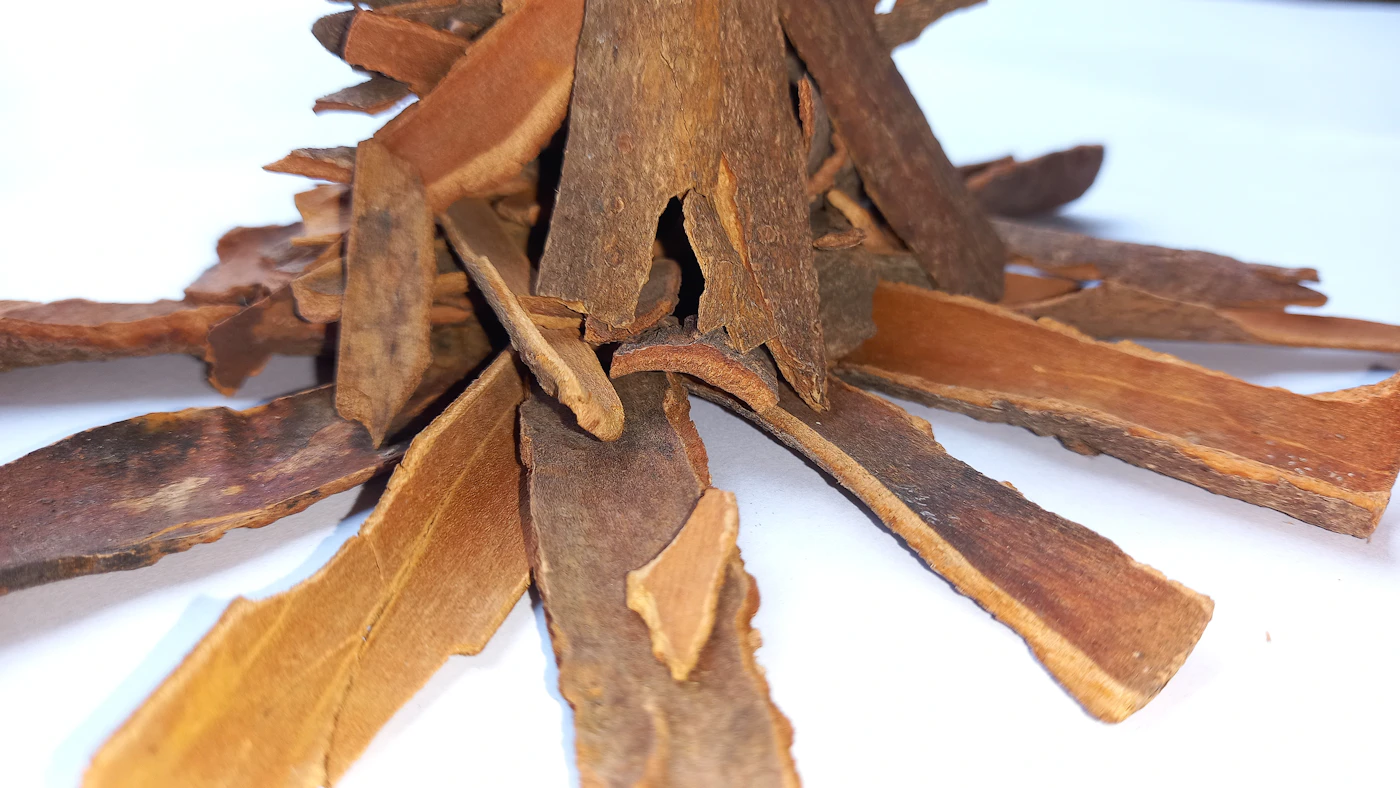
The Shanghan Lun (Treatise on Cold Damage), written by Zhang Zhongjing around 200 CE, is often called the foundation of Chinese formula medicine. Its first formula is Gui Zhi Tang (桂枝汤), the Cinnamon Twig Decoction. It uses just five ingredients, most of which you could find in a kitchen: cinnamon twig, peony root, fresh ginger, jujube dates and licorice. The Qing-dynasty scholar Ke Qin called it the “crown” of Zhang Zhongjing’s formulas.
At xemgiosinh.com, we explain Gui Zhi Tang because it teaches two ideas that run through all of Chinese medicine. The same symptoms can come from different patterns, and how you take a formula matters as much as what is in it.
What Is Gui Zhi Tang?
Gui Zhi Tang is a warm, acrid formula that releases the exterior. That means it treats illnesses at the body’s surface, like the early stage of a cold. It is designed for a specific type of cold: one where the person is already sweating, but the sweating does not bring relief. You can read more about the book’s history in this overview of the Shanghan Lun.
The Five Herbs and Their Roles
| Herb | Pinyin | Role | Typical dose | What it does |
|---|---|---|---|---|
| Cinnamon twig | Gui Zhi | Chief | 9 g | Warms and opens the surface, supports defensive Qi |
| White peony root | Bai Shao | Deputy | 9 g | Nourishes and holds in the nutritive Qi, prevents excess sweating |
| Fresh ginger | Sheng Jiang | Assistant | 9 g | Helps Gui Zhi release the exterior, settles the Stomach |
| Red jujube | Da Zao | Assistant | 12 pieces (original) | Nourishes the Stomach and Blood, helps Bai Shao |
| Honey-fried licorice | Zhi Gan Cao | Envoy | 6 g | Harmonizes the herbs and supports the center |
Gui Zhi and Bai Shao are used in equal amounts, and that balance is the heart of the formula. Change the ratio and you create a different formula with a different purpose.
The Pattern It Treats
Gui Zhi Tang is used for Taiyang stage wind-cold with exterior deficiency, often called a “wind attack”. Classic signs include:
- Fever, often mild, with aversion to wind or drafts
- Spontaneous sweating that does not resolve the illness
- Headache and a stiff neck or upper back
- A runny nose, or mild nausea and dry retching
- A floating, moderate (relaxed) pulse and a thin white tongue coat
Harmonizing Ying and Wei
Chinese medicine describes two kinds of Qi at the surface. Wei Qi is the defensive layer, and Ying Qi is the nourishing layer inside. In a wind attack, Wei Qi is disturbed and fails to hold the pores closed, so Ying fluids leak out as sweat. Gui Zhi strengthens and warms Wei, while Bai Shao consolidates Ying. Ginger, jujube and licorice support the Stomach, the source of both. That is why Gui Zhi Tang is described as harmonizing Ying and Wei.
How to Take It: Zhang Zhongjing’s Instructions
The Shanghan Lun gives unusually detailed instructions, and they are still taught today:
- Take the decoction warm.
- Shortly afterward, eat a bowl of hot, thin rice porridge to support the formula.
- Cover up warmly to produce a light, even sweat all over the body. It should be moist, not dripping.
- Stop the formula once a proper sweat appears and symptoms ease. If not, take the next dose sooner.
- During treatment, avoid raw and cold food, sticky or greasy dishes, meat and noodles, pungent foods, alcohol, dairy and foul-smelling foods.
Our step-by-step decoction guide explains that exterior-releasing formulas like this one are cooked for a shorter time than tonics.
Gui Zhi Tang vs Ma Huang Tang
| Gui Zhi Tang | Ma Huang Tang | |
|---|---|---|
| Sweating | Present (exterior deficiency) | Absent (exterior excess) |
| Pulse | Floating and moderate | Floating and tight |
| Strength | Gentle | Strong; contains ephedra |
| Main idea | Harmonize Ying and Wei | Open the pores and induce sweating |
The Gui Zhi Tang Family
Change one or two herbs, or their ratio, and Gui Zhi Tang becomes a family of formulas:
- Gui Zhi Jia Ge Gen Tang: adds kudzu root for a very stiff neck and upper back.
- Gui Zhi Jia Shao Yao Tang: doubles the peony for abdominal pain and cramping.
- Xiao Jian Zhong Tang: doubles the peony and adds maltose to warm and strengthen the center.
- Gui Zhi Jia Long Gu Mu Li Tang: adds dragon bone and oyster shell to anchor and calm.
Compare this with the digestive tonic family built on Si Jun Zi Tang. Both show how classical formulas grow by careful modification.
Cautions
- No sweating with a tight pulse (exterior excess) points to a different formula.
- Heat patterns, with a sore red throat, thirst, yellow mucus or a rapid pulse, need cooling formulas instead.
- Regular heavy drinkers: the Shanghan Lun itself warns that Gui Zhi Tang is unsuitable for people who habitually drink alcohol.
- Serious illness: high fever, difficulty breathing, confusion or dehydration require medical care.
Signs It Is Working, and When to Stop
The Shanghan Lun is precise about the goal. After the decoction and porridge, the patient should develop a light, even sweat over the whole body, and the symptoms should ease. Once that happens, stop taking the formula, even if some remains. Zhang Zhongjing warned that forcing heavy, dripping sweat would drain the body and make the illness worse.
If no sweat appears, the next dose is taken sooner. If symptoms change, for example to a sore throat, thirst or a high fever, the pattern has changed and Gui Zhi Tang is no longer the right formula.
Gui Zhi Tang Beyond the Common Cold
Because its real purpose is to harmonize Ying and Wei, Gui Zhi Tang is used for more than colds. The Shanghan Lun itself describes using it for people who sweat spontaneously without any other illness, a sign that the defensive and nourishing layers are out of balance. Modern practitioners use it and its variations for:
- Recurrent spontaneous sweating in people who feel weak and sensitive to drafts
- Some mild aches and chills during recovery from illness
- Certain skin complaints that flare with wind and cold
- Mild digestive weakness with cold hands, via Xiao Jian Zhong Tang
In every case, the choice depends on the pattern, not the disease name. That is exactly what makes this formula such a good teacher.
Final Thoughts from the Xemgiosinh.com Team
Gui Zhi Tang looks humble, but it holds some of Chinese medicine’s deepest ideas: balance within a formula, precise pattern matching, and careful aftercare. Explore more classic formulas in our formulas hub, or return to xemgiosinh.com for our complete guide to Chinese herbal medicine.
Frequently Asked Questions
Is Gui Zhi the same as the cinnamon in my kitchen?
Not exactly. Gui Zhi is the young twig of Cinnamomum cassia. Kitchen cassia and Chinese Rou Gui are the bark. The twig is lighter and moves toward the surface and limbs, while the bark is hotter and warms the interior.
Can Gui Zhi Tang be used for the flu?
Only for a specific early pattern: aversion to wind, mild fever, spontaneous sweating and a floating, moderate pulse. Flu with a high fever, sore throat, body aches and no sweating needs a different approach, and severe illness needs medical care.
Why drink rice porridge after Gui Zhi Tang?
Zhang Zhongjing instructed patients to eat hot, thin rice porridge after the decoction. The porridge supports the Stomach's Qi and helps produce a light, even sweat that releases the exterior without exhausting the body.
Is Gui Zhi Tang safe for children?
Its herbs are mild and food-like, and modified versions are used in pediatric practice. Children still need a proper diagnosis, and fever in infants or any child who seems very unwell needs prompt medical attention.