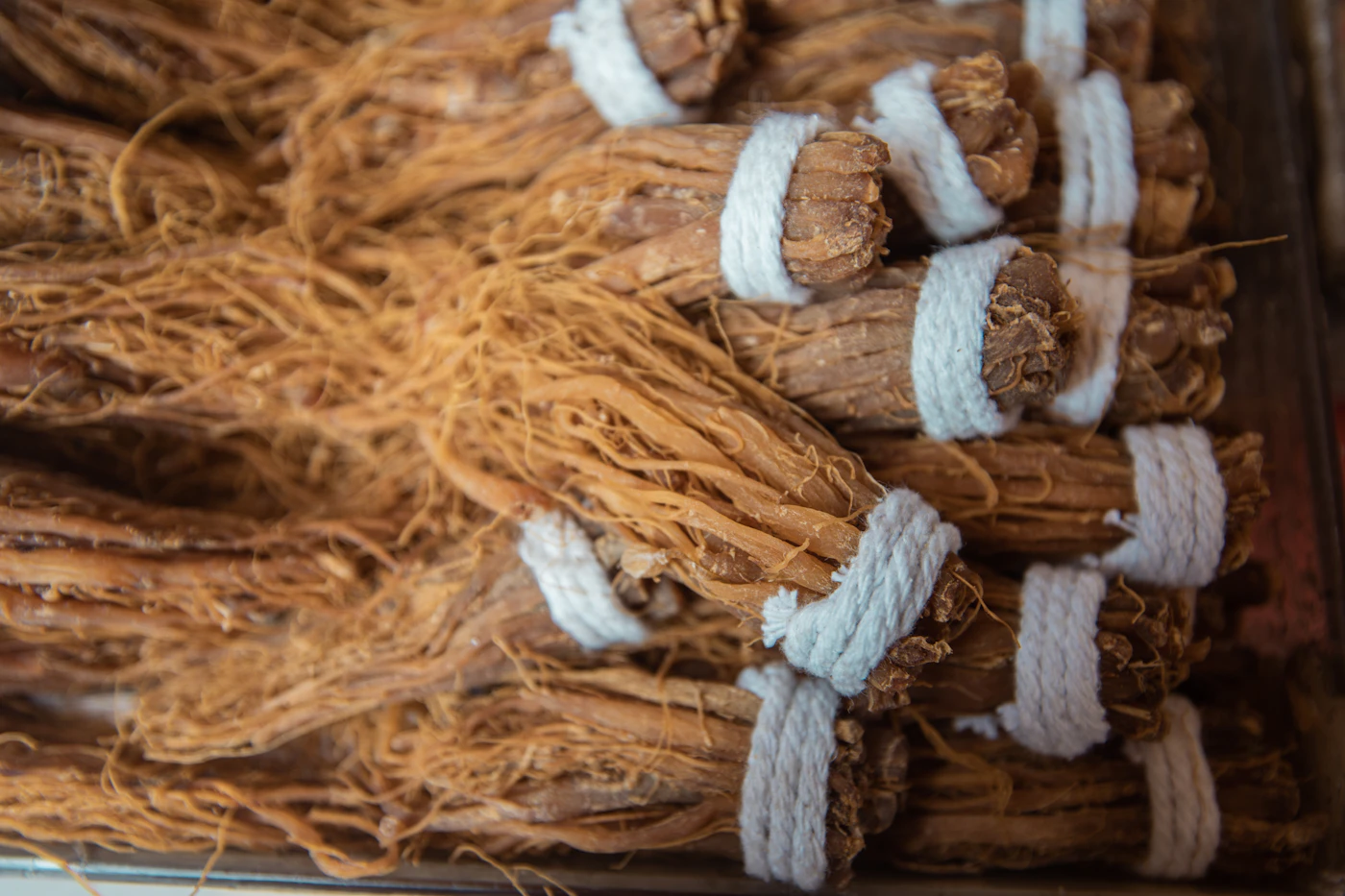
人参 · Ren Shen
Asian Ginseng (Ren Shen)
Qi tonic · Slightly warmThe most famous Qi tonic in Chinese medicine: what it does, when it helps and who should avoid it.
Read the guideEvery herb in Chinese medicine has a nature, a flavor and a clear set of cautions. This hub collects the in-depth herb profiles from xemgiosinh.com, written in plain English and grounded in the classics and modern safety research.
The most famous Qi tonic in Chinese medicine: what it does, when it helps and who should avoid it.
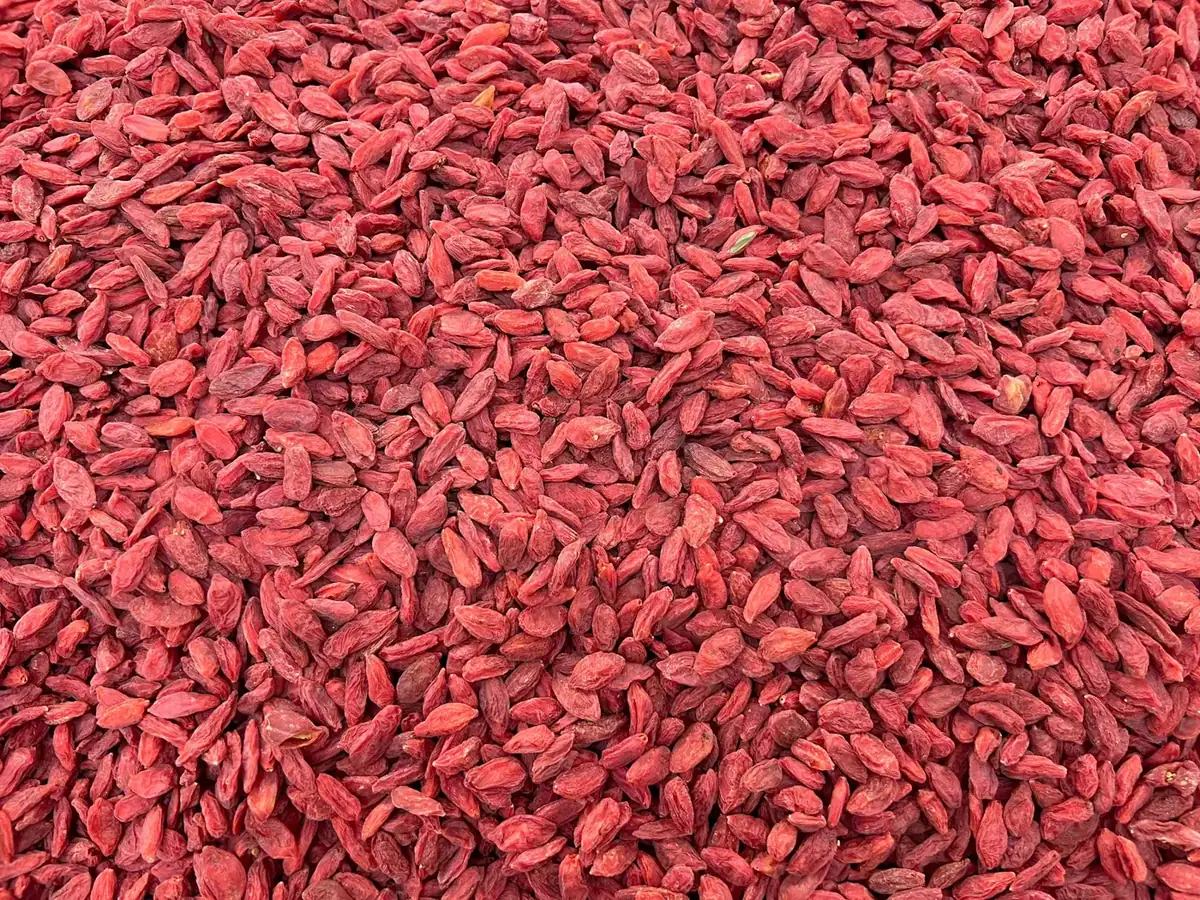
Read the guideA gentle, food-grade tonic for the Liver, Kidneys and eyes, and one of the easiest herbs to use at home.
Read the guideThe leader of the tonics, used to lift sinking Qi, firm up the body's surface and speed recovery.
Read the guideThe small-dose peacemaker of Chinese formulas, plus the real safety limits every user should know.
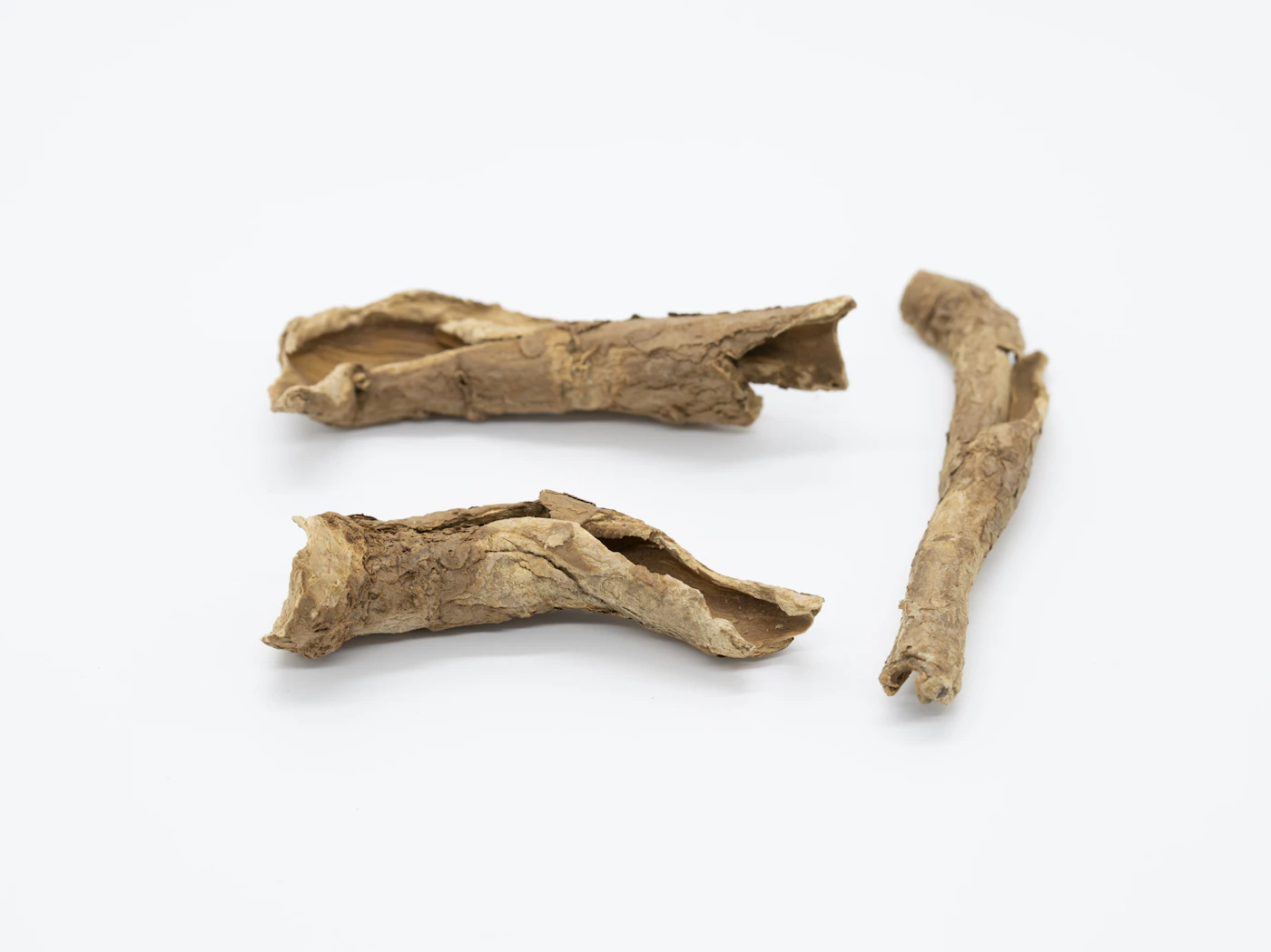
Read the guideThe most important Blood tonic in Chinese medicine, and why it works best in formulas, not alone.
Read the guideA Western herbal might list a plant under the conditions it treats. The Chinese materia medica works differently. It describes each herb by a small set of properties that predict how the herb behaves in the body. Once you understand these properties, any herb profile on xemgiosinh.com becomes easy to read.
Herbs are graded as cold, cool, neutral, warm or hot. Cooling herbs clear heat, and warming herbs dispel cold. Asian ginseng is slightly warm, goji berry is neutral, and Dang Gui is warm. Matching nature to the person is the first rule of safe herbal use.
The five flavors each hint at an action. Sweet herbs tonify and harmonize. Pungent herbs disperse and move. Bitter herbs drain and dry. Sour herbs astringe and hold in. Salty herbs soften and purge. Licorice root, the sweetest herb in the pharmacy, is also the great harmonizer.
Each herb is said to "enter" particular organ channels. Astragalus enters the Spleen and Lung, which is why it is used for fatigue and frequent colds. Goji enters the Liver and Kidney, which is why it is used for the eyes and lower back.
| Category | Main purpose | Examples on this site |
|---|---|---|
| Qi tonics | Strengthen energy, digestion and breath | Ginseng, astragalus, licorice |
| Blood tonics | Nourish Blood, complexion and menstruation | Dang Gui |
| Yin tonics | Moisten, cool and nourish deep reserves | Goji berry |
| Exterior-releasing herbs | Treat the early stage of colds | Cinnamon twig, fresh ginger |
| Heat-clearing herbs | Cool inflammation and "fire" | Coptis, honeysuckle |
Single herbs are the exception in Chinese medicine. Most are prescribed inside a formula, where partners boost their strengths and balance their weaknesses. Ginseng rarely appears without licorice, and Dang Gui is paired with astragalus to build Blood. To see how herbs become prescriptions, continue to our classic Chinese formulas hub.
Natural does not mean harmless. Herbs can interact with medications, especially blood thinners, diabetes and blood-pressure drugs. Some are unsuitable in pregnancy. The NCCIH guide to Traditional Chinese Medicine and Memorial Sloan Kettering's About Herbs database are excellent independent references. Always tell your doctor and a qualified herbalist what you take.
New to the subject? Start with the complete beginner's introduction on the xemgiosinh.com homepage, then return here to go deeper, one herb at a time.