Asian Ginseng (Ren Shen): A Detailed Guide by the Xemgiosinh.com Team
A detailed guide by the xemgiosinh.com team to Asian ginseng (Ren Shen): its nature, key actions, classic formulas, dosage ranges and safety.
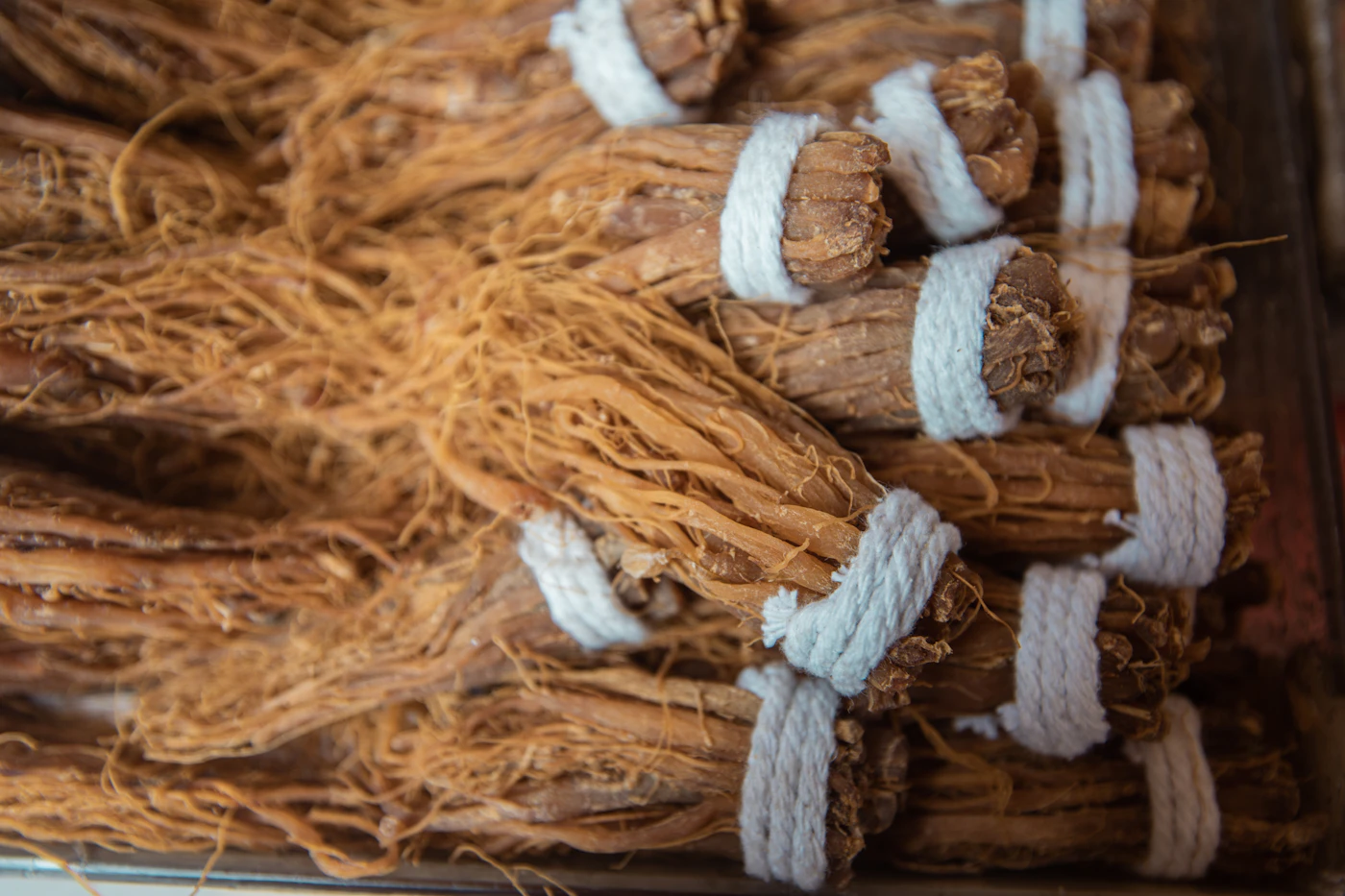
Few plants carry as much history as ginseng. Its Chinese name, Ren Shen (人参), means “human root”, after the way a mature root can resemble a small human figure. For almost two thousand years it has been treated as the most powerful Qi tonic in the Chinese materia medica. It first appears as an upper-grade herb in the Shennong Bencao Jing, the oldest surviving Chinese herbal classic.
Here at xemgiosinh.com, we explain herbs the way a trained herbalist thinks about them: by nature, flavor, the channels they enter, and the pattern they are meant to correct. Ginseng is a good place to start, because it shows why a “strong” herb is not automatically a good choice for everyone.
What Is Asian Ginseng (Ren Shen)?
Ren Shen is the dried root of Panax ginseng, a slow-growing perennial native to the mountain forests of northeast China, Korea and the Russian Far East. Wild roots are now rare and extremely expensive, so almost all ginseng sold today is cultivated. Farmers usually harvest after five to six years.
The same root is sold under several names, depending on origin and processing:
- White ginseng (Bai Shen / Sheng Shai Shen): peeled or unpeeled and sun-dried. It is milder and less warming.
- Red ginseng (Hong Shen): steamed and then dried. It is warmer and more strongly tonifying.
- Korean ginseng: the same species grown in Korea, often sold as red ginseng.
It is easy to confuse Asian ginseng with American ginseng (Panax quinquefolius, Xi Yang Shen) or with Codonopsis (Dang Shen), which is often used as a gentler, cheaper substitute. We compare them below.
Nature, Flavor and Channels
Every herb in Chinese medicine is described by a small set of properties. Together they predict how the herb will act in the body.
- Nature: slightly warm
- Flavor: sweet and slightly bitter
- Channels entered: Spleen, Lung, Heart and Kidney
- Category: herbs that tonify Qi (补气药)
The sweet flavor signals a tonifying, nourishing herb. The slightly warm nature means ginseng suits people who run cold and depleted, not those who are already hot and agitated. You can see how it compares with other tonics in our Chinese herbs guide.
Key Actions in Chinese Herbal Medicine
1. Powerfully tonifies original Qi
Ginseng’s signature action is to da bu yuan qi (大补元气), which means “greatly tonify the original Qi”. In classical texts, a single-herb ginseng decoction (Du Shen Tang) was used as an emergency measure for collapse after severe blood loss, profuse sweating or prolonged illness. Today this role belongs to hospital care, but it explains ginseng’s reputation.
2. Strengthens the Spleen and Lung
The Spleen, in Chinese medicine, governs digestion and the making of Qi from food. The Lung governs breath and the body’s outer defenses. Ginseng is used when both are weak. Typical signs are fatigue, poor appetite, loose stools, shortness of breath on exertion, a soft voice and frequent colds.
3. Generates fluids and relieves thirst
Because it strengthens Qi, ginseng is also said to help the body produce fluids. It appears in formulas for thirst and dryness that follow a fever or heavy sweating.
4. Calms the spirit and benefits the mind
Ginseng enters the Heart channel. Traditionally it is used for palpitations, restless sleep and poor memory, but only when these arise from deficiency rather than excess heat.
Ren Shen in Classic Formulas
Ginseng is rarely prescribed alone. Its effect is shaped by the herbs around it.
| Formula | Key partners | Traditional purpose |
|---|---|---|
| Si Jun Zi Tang | Bai Zhu, Fu Ling, Gan Cao | Foundation formula for Spleen Qi deficiency |
| Sheng Mai San | Mai Men Dong, Wu Wei Zi | Qi and fluid depletion with sweating and thirst |
| Bu Zhong Yi Qi Tang | Huang Qi, Bai Zhu, Chai Hu | Sinking Qi, chronic fatigue, prolapse |
| Gui Pi Tang | Huang Qi, Long Yan Rou, Dang Gui | Heart and Spleen deficiency with poor sleep |
Notice how often ginseng is paired with astragalus root (Huang Qi). Ginseng tonifies Qi from the inside. Astragalus strengthens the protective surface and lifts sinking Qi. In most of these formulas, licorice root (Gan Cao) is added to harmonize the other herbs.
Ginseng Types Compared
| Herb | Nature | Best suited for |
|---|---|---|
| Asian ginseng, white (Ren Shen) | Slightly warm | General Qi deficiency |
| Red ginseng (Hong Shen) | Warm | Qi and Yang deficiency with coldness |
| American ginseng (Xi Yang Shen) | Cool | Qi and Yin deficiency with heat or dryness |
| Codonopsis (Dang Shen) | Neutral | Milder, everyday Qi support; a common substitute |
This is why a practitioner asks so many questions before choosing a “ginseng”. The wrong nature can make someone who already feels hot, wired or dry feel worse.
How Ginseng Is Prepared and Taken
Because ginseng is expensive, it is traditionally decocted separately (另煎, ling jian) and the liquid is added to the main formula, so none of it is wasted. Other forms include thin slices held in the mouth, powders, granules, and standardized extracts sold as supplements.
Classical dosing in a decoction is roughly 3 to 9 grams a day. Higher amounts were reserved for acute situations under close supervision. Supplements are measured differently, so follow the product label and your provider’s advice rather than converting doses yourself.
What Modern Research Says
Ginseng is one of the most studied herbs in the world, and much of that research focuses on compounds called ginsenosides. The results are still mixed. According to the U.S. National Center for Complementary and Integrative Health (NCCIH), some studies suggest possible effects on blood sugar and immune function, but there is not enough high-quality evidence to support most health claims. A Cochrane review of ginseng for cognition also found the evidence insufficient to draw firm conclusions.
For professional-level safety data, the Memorial Sloan Kettering entry on Asian ginseng is one of the most useful free resources.
Safety, Side Effects and Who Should Avoid Ginseng
Traditional cautions:
- Avoid when there are signs of excess heat, such as a red face, irritability, a red tongue with a yellow coat or a strong, rapid pulse.
- Avoid in acute infections with fever and in cases of “excess” patterns, where there is nothing to tonify.
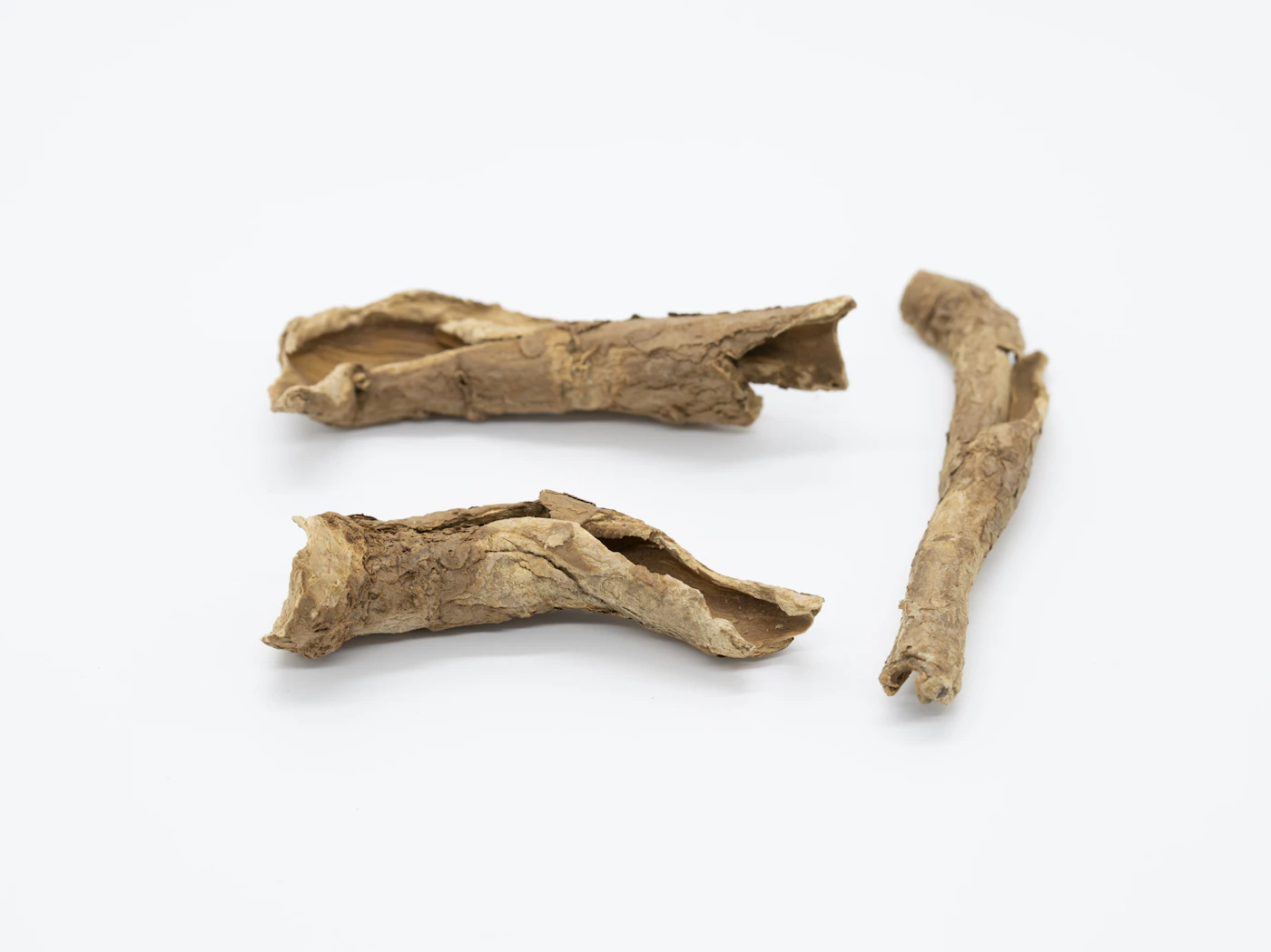
- Classical texts list ginseng as incompatible with Li Lu (Veratrum) and as antagonized by Wu Ling Zhi.
Modern cautions:
- Reported side effects include headaches, sleep problems and digestive upset.
- Ginseng may lower blood sugar, so take extra care if you use diabetes medication.
- It may interact with blood thinners such as warfarin, and with some antidepressants and stimulants.
- Its safety in pregnancy, while breastfeeding and in children has not been established.
If you take any prescription medicine, speak to your doctor before adding ginseng.
How Ginseng Fits With Other Qi Tonics
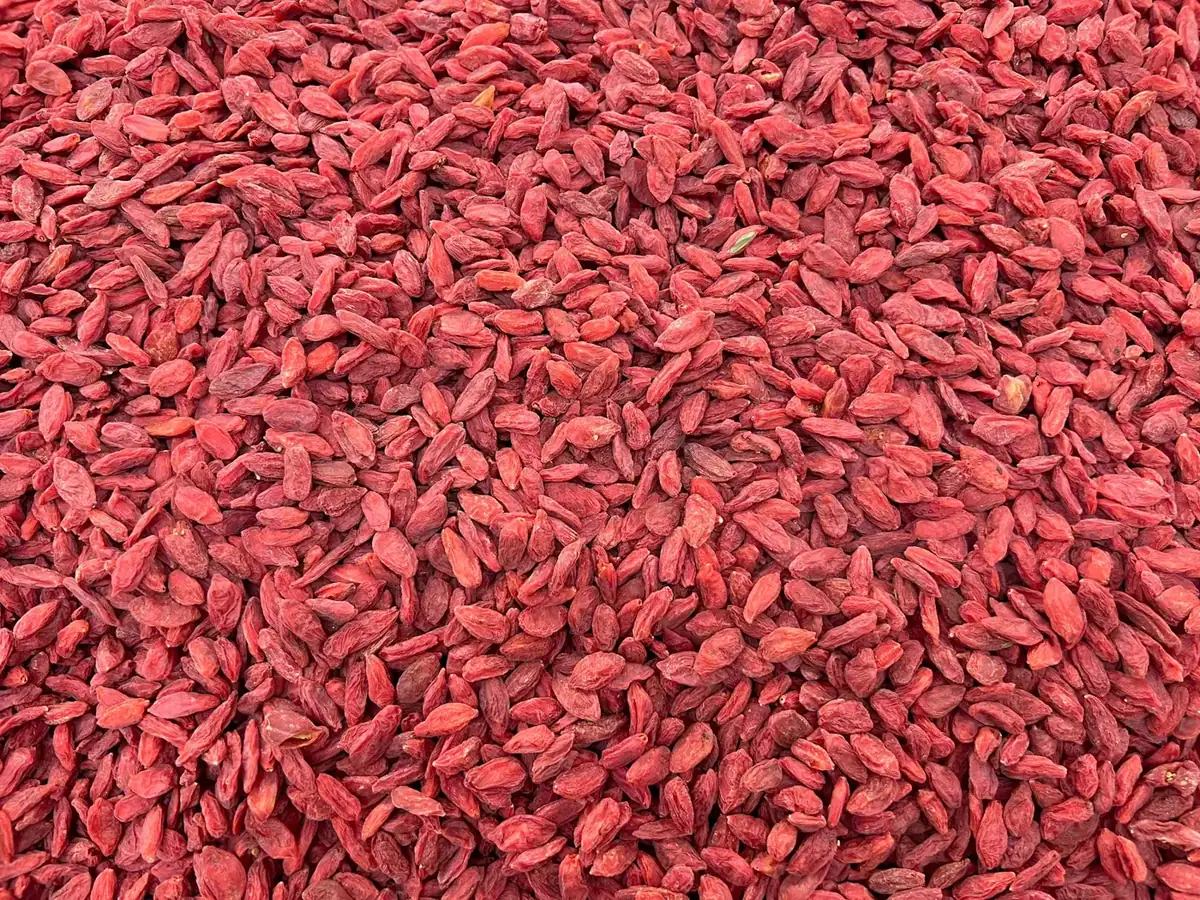
Think of the Qi tonics as a family. Ginseng is the strongest member. Astragalus protects and lifts. Licorice harmonizes and moderates. Food-grade tonics such as goji berry nourish more gently, over time. A skilled herbalist chooses among them rather than defaulting to the most famous name.
Final Thoughts from the Xemgiosinh.com Team
Asian ginseng deserves its reputation, but its power is exactly why it needs the right person and the right pattern. It is best for people who are genuinely depleted and cold, and it is best taken as part of a balanced formula for a defined period. Explore more herbs in our Chinese herbs hub, or return to the xemgiosinh.com homepage for a complete introduction to the Chinese way of herbal medicine.
Frequently Asked Questions
Is Ren Shen the same as Korean ginseng?
Yes, botanically. Korean ginseng and Chinese Ren Shen are both Panax ginseng. The name usually tells you where it was grown and how it was processed, for example steamed red ginseng versus sun-dried white ginseng.
Is ginseng warming or cooling?
Asian ginseng is classified as slightly warm, and steamed red ginseng is warmer still. American ginseng (Xi Yang Shen) is the cooling alternative that practitioners often choose when there are signs of heat or dryness.
Can I take ginseng every day?
In Chinese medicine, ginseng is prescribed for a clear pattern of Qi deficiency and for a limited course, not as an everyday stimulant. Modern safety data mainly cover short-term use, so talk to a qualified practitioner or doctor before taking it long term.
Does ginseng raise blood pressure?
Study results are mixed. Traditional texts advise caution with signs of excess heat or rising Liver Yang, which often overlap with high blood pressure. If you have hypertension or take blood-pressure medicine, check with your doctor first.