Goji Berry (Gou Qi Zi): A Helpful Guide by the Xemgiosinh.com Team
The xemgiosinh.com team's helpful guide to goji berry (Gou Qi Zi): how it nourishes the Liver and Kidneys, classic uses, recipes and cautions.
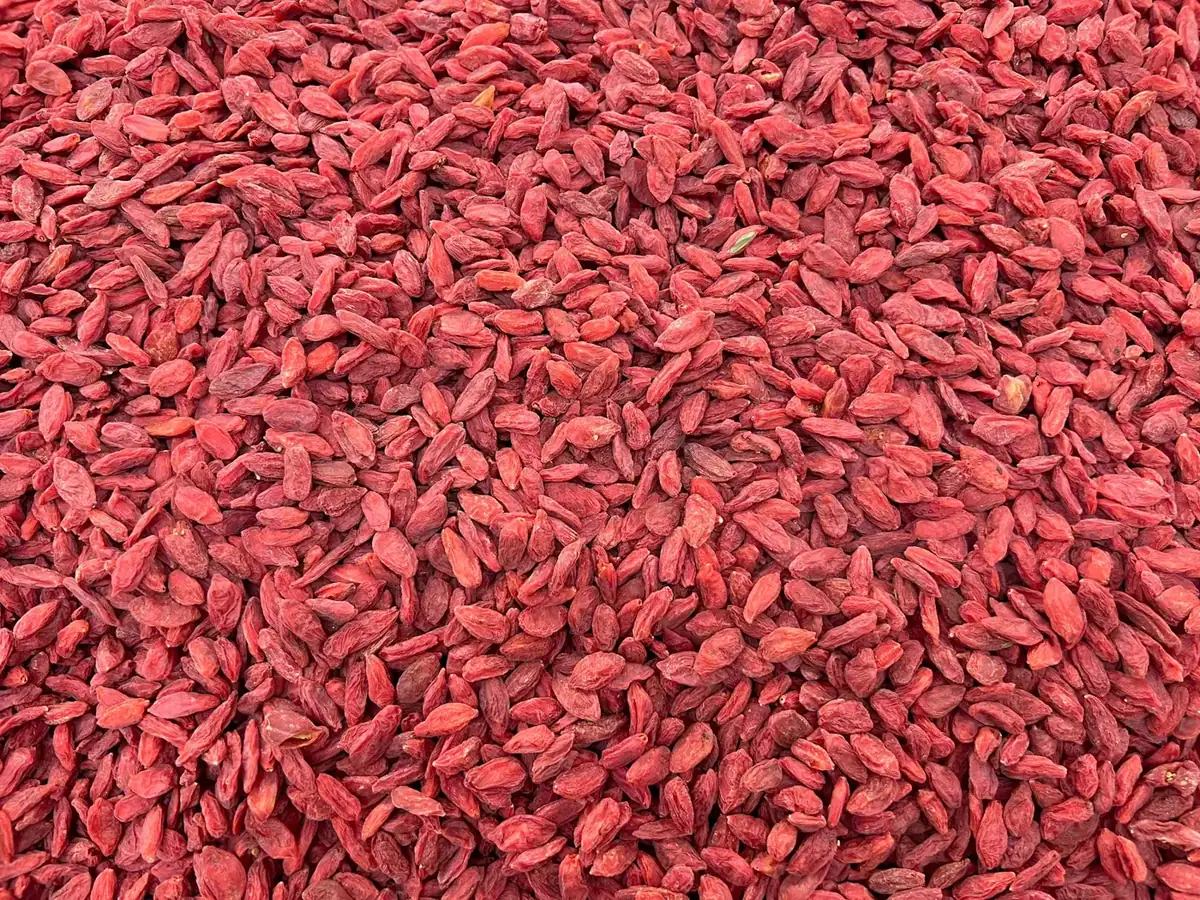
Long before goji berries were sold as a “superfood”, they were a trusted tonic in Chinese kitchens and pharmacies. Gou Qi Zi (枸杞子) is listed as an upper-grade herb in the Shennong Bencao Jing, the group of herbs considered safe enough for long-term nourishment. It is still one of the most common ingredients in Chinese soups, teas and tonic formulas.
At xemgiosinh.com, we like to begin with goji because it shows the gentler side of Chinese herbal medicine. It does not act fast or forcefully. It nourishes steadily, which is exactly why it matters.
What Is Goji Berry (Gou Qi Zi)?
Gou Qi Zi is the dried ripe fruit of Lycium barbarum, a shrub in the nightshade family. The most prized berries come from Ningxia in northwest China, where dry air, strong sunlight and mineral-rich river water produce large, sweet fruit.
The same plant gives Chinese medicine a second herb. The root bark, Di Gu Pi (地骨皮), has a very different action: it is cold and is used to clear “deficiency heat”, such as night sweats and afternoon fevers. It is a good reminder that different parts of one plant can behave very differently.
Nature, Flavor and Channels
- Nature: neutral
- Flavor: sweet
- Channels entered: Liver, Kidney and Lung
- Category: herbs that tonify Yin (补阴药)
Its neutral nature makes goji unusually forgiving. It suits people who run slightly warm or slightly cool, which is one reason it moves so easily between medicine and food. For a comparison with other tonics, visit our Chinese herbs guide.
Traditional Actions of Goji
Nourishes the Liver and Kidneys
In Chinese physiology, the Kidneys store essence (jing), the deep reserve that governs growth, reproduction and aging. The Liver stores Blood. Goji nourishes both. It is traditionally used for:
- Sore, weak lower back and knees
- Dizziness and tinnitus associated with depletion
- Early graying and signs of premature aging
- Low stamina after chronic illness
Brightens the eyes
In Chinese medicine, the Liver “opens into the eyes”. Because goji nourishes Liver Blood and Yin, it has been used for centuries for blurred vision, dry eyes and poor night vision. This is the logic behind the famous eye formula below.
Moistens the Lung
Some texts also credit goji with moistening the Lung. That makes it helpful for a dry, lingering cough that follows long-term depletion.
Goji in Classic Formulas
| Formula | What goji adds | Traditional use |
|---|---|---|
| Qi Ju Di Huang Wan | Goji and chrysanthemum added to Liu Wei Di Huang Wan | Dry eyes and blurred vision from Liver and Kidney Yin deficiency |
| Zuo Gui Wan | Nourishes Kidney essence alongside rehmannia | Deep Kidney Yin and essence deficiency |
| Yi Guan Jian | Nourishes Liver Yin and Blood | Rib-side pain and dryness with Liver Yin deficiency |
Goji often works alongside Blood-nourishing herbs such as Dang Gui. It can also be combined with Qi tonics like Asian ginseng when both Qi and Yin need support.
Everyday Ways to Use Goji
Goji is one of the few herbs that you can use in your kitchen without much preparation.
- In soups: add a small handful to chicken or pork-bone soups in the last 15–20 minutes. Red jujube dates (Da Zao) are a classic partner.
- In congee: stir soaked goji into rice porridge for a gentle breakfast.
- As a snack: eat a few dried berries at a time, not large bowlfuls.
- In tea: see the recipe below.
Simple Goji and Chrysanthemum Tea
- Rinse 10 g of dried goji berries and 3–5 dried chrysanthemum flowers (Ju Hua).
- Place them in a cup or teapot and pour over about 300 ml of hot, not boiling, water.
- Cover and steep for 8–10 minutes. You can eat the softened berries afterward.
This mirrors the logic of Qi Ju Di Huang Wan. Goji nourishes from below, and chrysanthemum clears and brightens the eyes from above. Many people drink it during long hours of screen work.
What Modern Research Says
Goji contains polysaccharides, carotenoids such as zeaxanthin, and betaine. Laboratory research on these compounds is active, but good-quality human trials are still limited. The Memorial Sloan Kettering entry on Lycium summarizes the evidence and known interactions in detail.
The most important safety finding concerns blood thinners. Several case reports describe raised INR levels or bleeding in people taking warfarin who also consumed goji products. One example is a published report of a probable warfarin–goji interaction.
Safety and Cautions
Traditional cautions:
- Avoid when there is Spleen deficiency with dampness, meaning loose stools, bloating and a thick, greasy tongue coat.
- Use with care during an acute cold, fever or inflammation (an “exterior” or excess-heat condition).
Modern cautions:
- Goji may interact with warfarin and possibly with diabetes and blood-pressure medications.
- People allergic to other fruits in the nightshade family, or with certain food allergies, can react to goji.
- Quality varies. Buy from suppliers who test for pesticide residues and do not use sulfur fumigation.
How to Choose and Store Goji Berries
Quality varies enormously. Good goji berries should be:
- Deep red to orange-red, not an unnaturally bright or glossy red, which can indicate dyes or sulfur treatment.
- Soft and slightly pliable, not rock-hard or sticky and clumped together.
- Sweet with a faint tartness. A sour, chemical or musty smell is a warning sign.
- Uniform in size, with few stems, dark shriveled berries or foreign matter.
Look for suppliers that publish third-party testing for pesticides and heavy metals, and choose organic when possible. Once opened, keep goji in an airtight jar in a cool, dark cupboard. In warm or humid climates, store it in the refrigerator, where it keeps for several months.
Goji Through the Seasons
Chinese dietary therapy adjusts food to the seasons, and goji fits into each one differently:
- Spring: pair goji with chrysanthemum tea to support the Liver, the organ associated with spring.
- Summer: use smaller amounts in cooling soups with winter melon or mung beans, since rich tonics can feel heavy in the heat.
- Autumn: combine goji with pears or white wood-ear fungus to moisten the dryness of the season.
- Winter: add goji to slow-cooked broths with red dates and a few slices of ginger. This is the traditional season for building reserves.
This seasonal thinking is a small example of the Chinese principle that people should live in step with nature, rather than using the same remedies all year round.
Final Thoughts from the Xemgiosinh.com Team
Goji berry is the ideal first herb for curious beginners. It is gentle, food-grade, and deeply rooted in classical practice, but it still deserves respect, especially if you take medication. Continue exploring the other herbs in our Chinese herbs hub, or head back to xemgiosinh.com for a complete introduction to Chinese herbal medicine.
Frequently Asked Questions
How many goji berries can I eat a day?
Classical texts list 6–12 g in a decoction. In Chinese home cooking, a small handful of dried berries (roughly 10–15 g) in a soup or tea is common. If you take medication, especially blood thinners, ask your doctor first.
Are goji berries good for the eyes?
In Chinese medicine, goji is known for brightening the eyes. It is used when blurred vision, dry eyes or night-vision problems come from Liver and Kidney deficiency. It supports, but does not replace, an eye examination.
Should goji berries be soaked or cooked?
Both work. Soaking softens them for congee and desserts, while simmering in soups or teas is the traditional way to extract them. Rinse dried berries first to remove dust.
Can I eat goji berries during pregnancy?
Food-level amounts are common in Chinese cooking, but concentrated goji extracts and supplements have not been studied well in pregnancy. Check with your midwife or doctor before using them regularly.