Dang Gui (Angelica sinensis): A Detailed Guide by the Xemgiosinh.com Team
The xemgiosinh.com team explains Dang Gui (dong quai): how it nourishes and moves Blood, classic formulas like Si Wu Tang, research and cautions.
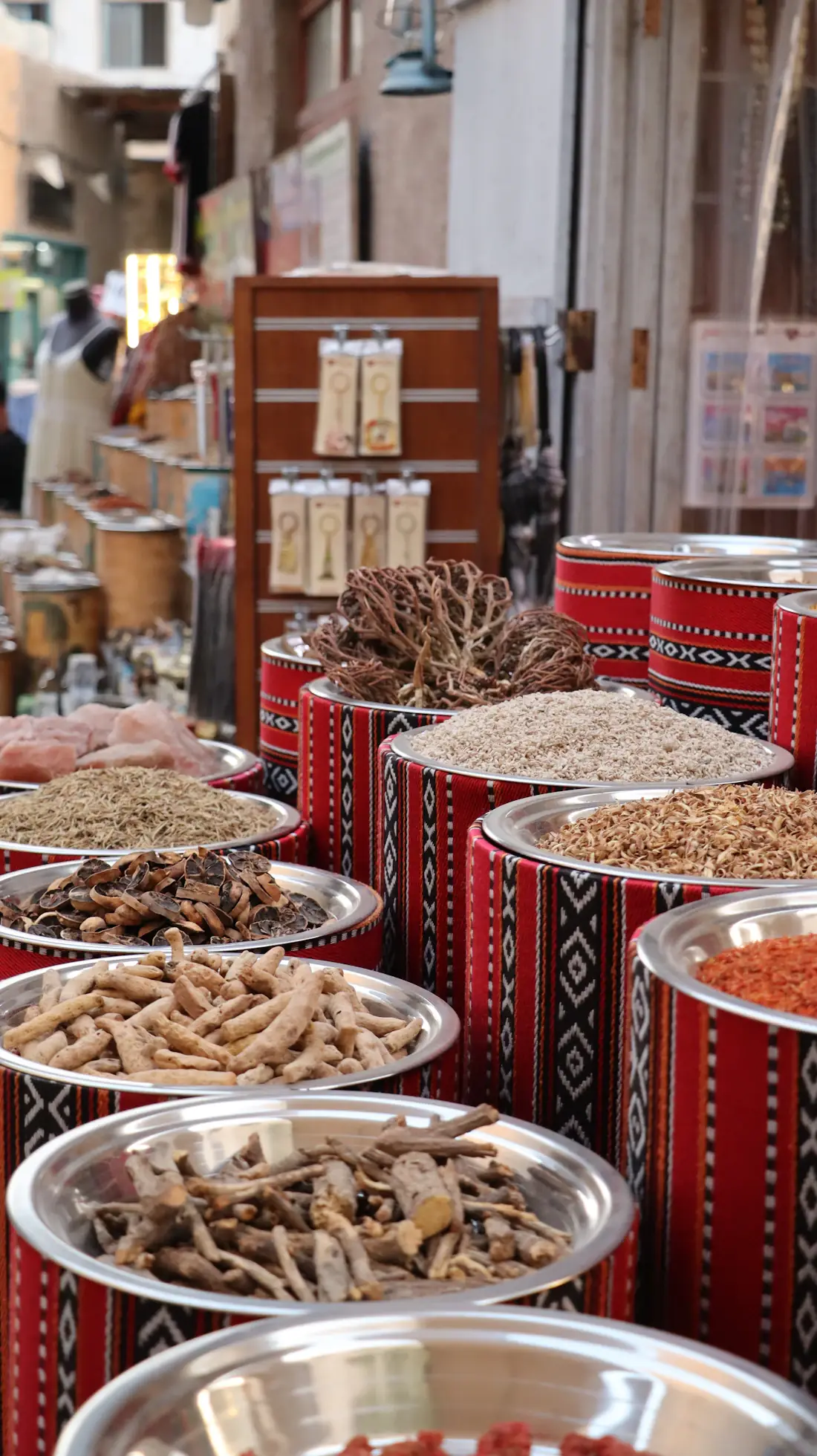
If ginseng is the king of Qi tonics, Dang Gui (当归) is the queen of Blood tonics. It is one of the most frequently prescribed herbs in all of Chinese medicine. It appears in formulas for menstrual health, recovery after childbirth, pain, numbness, dry skin and constipation. Its name means “should return”, and a popular explanation is that it helps Blood “return” to where it belongs.
At xemgiosinh.com, we explain Dang Gui carefully because it is often sold in the West as a stand-alone “women’s herb”. That approach misses the way Chinese medicine actually uses it.
What Is Dang Gui?
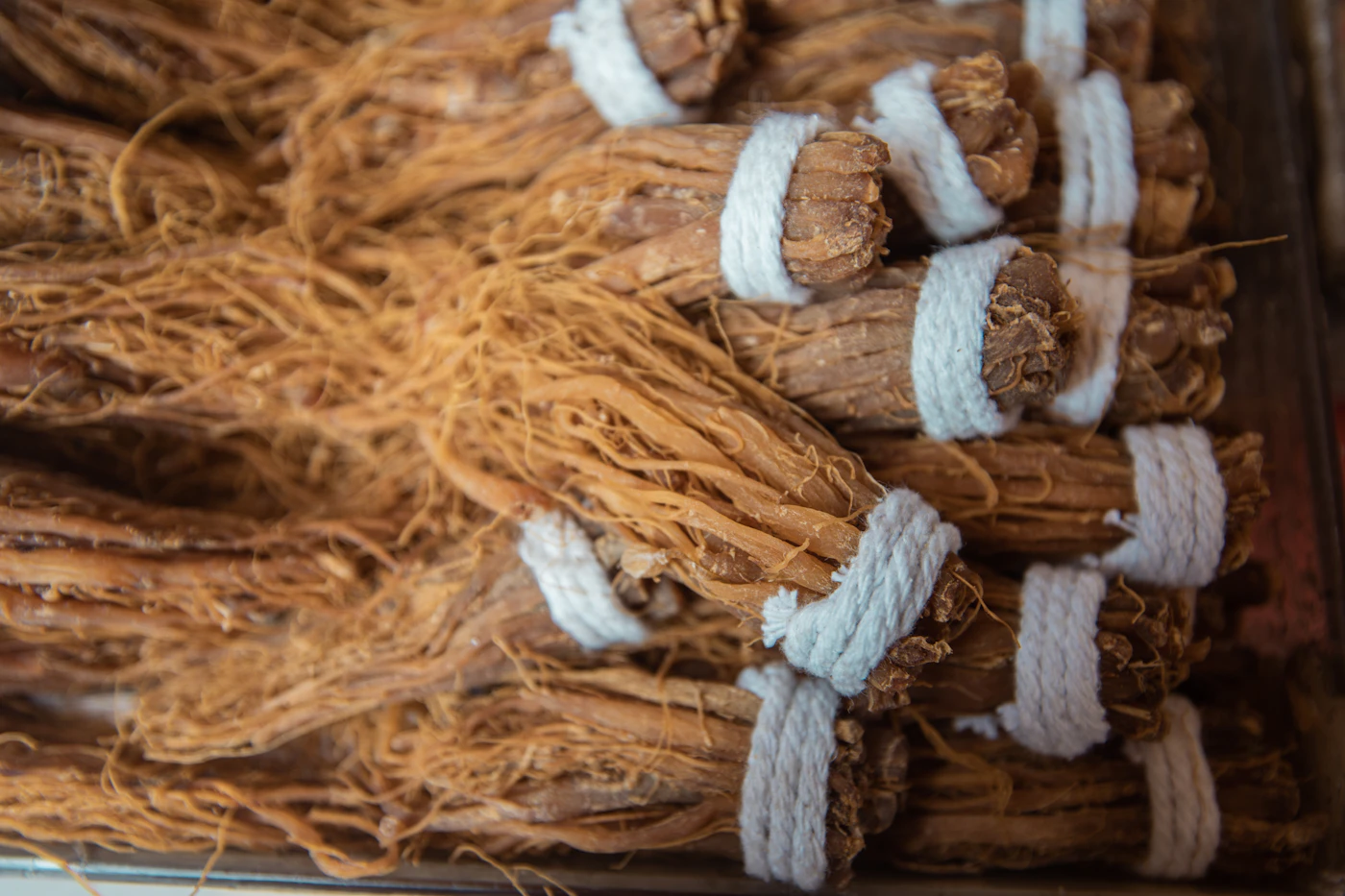
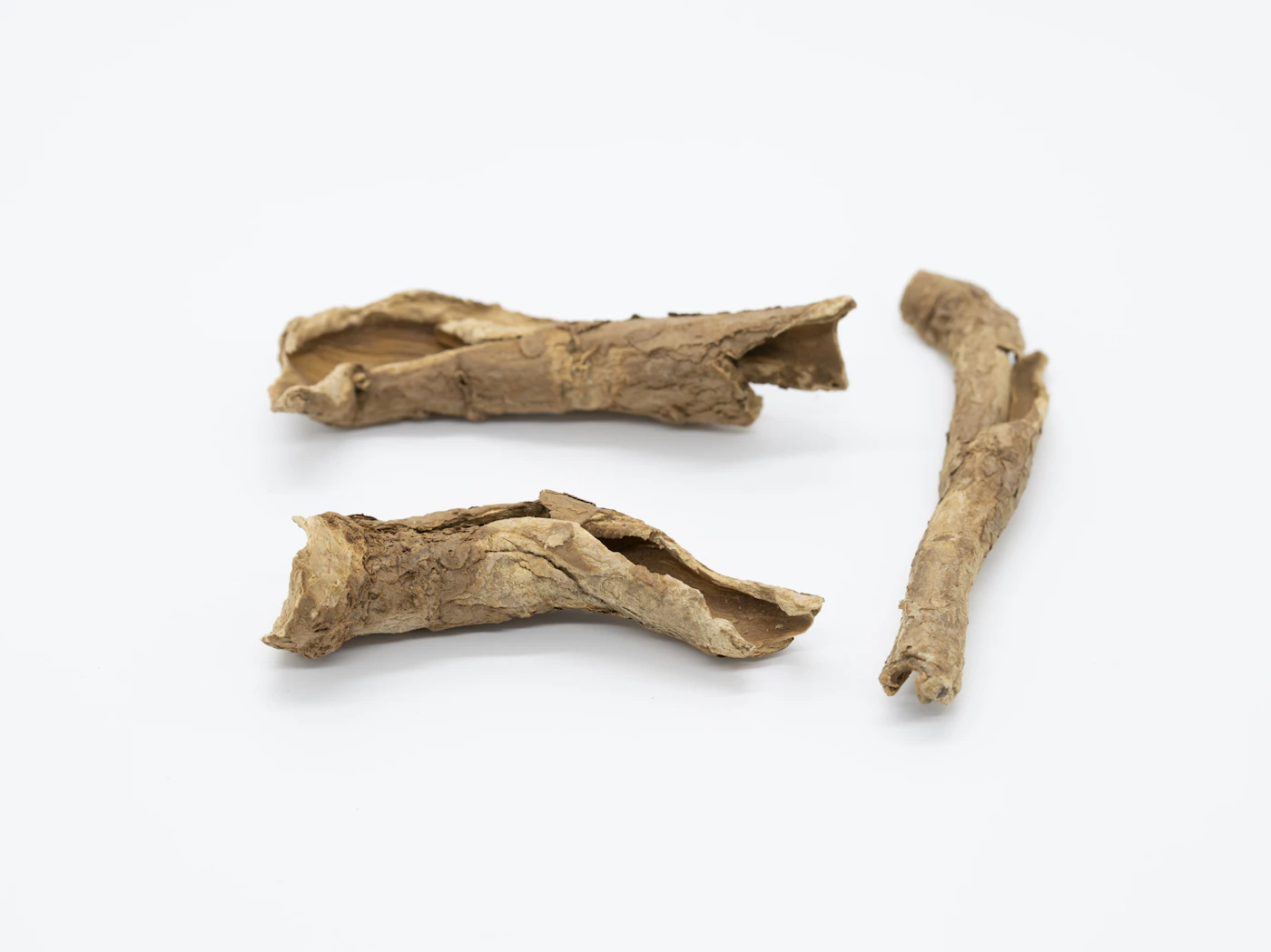
Dang Gui is the dried root of Angelica sinensis, a fragrant plant in the carrot family. The highest-quality roots come from Min County in Gansu province. A good root is heavy, oily and sweetly aromatic, with a pale yellow-white cut surface. In English it is often spelled dong quai, and it is sometimes called “female ginseng”.
Nature, Flavor and Channels
- Nature: warm
- Flavor: sweet and pungent
- Channels entered: Liver, Heart and Spleen
- Category: herbs that tonify Blood (补血药)
The sweet flavor nourishes, and the pungent flavor moves. This combination is what makes Dang Gui special: it both builds Blood and moves it. Explore the other categories of herbs in our Chinese herbs guide.
Key Actions of Dang Gui
1. Tonifies Blood
Dang Gui is the first choice for Blood deficiency. Typical signs are a pale or sallow complexion, pale lips and nails, dizziness, palpitations, blurred vision and dry skin.
2. Invigorates Blood and relieves pain
Its pungent, warm nature moves Blood that has become stuck. It is used for period pain, pain from injury, and aching joints that are worse in cold weather.
3. Regulates menstruation
Because it both nourishes and moves, Dang Gui is included in many formulas for irregular, scanty or painful periods.
4. Moistens the intestines
Its oily nature helps with dry constipation, especially in older adults or after childbirth.
Head, Body and Tail
Traditional pharmacy sometimes distinguishes between parts of the root:
| Part | Chinese | Traditional emphasis |
|---|---|---|
| Head | 当归头 (Dang Gui Tou) | Nourishes and helps stop bleeding |
| Body | 当归身 (Dang Gui Shen) | Nourishes Blood |
| Tail (rootlets) | 当归尾 (Dang Gui Wei) | Moves Blood and breaks stasis |
| Whole root | 全当归 (Quan Dang Gui) | Both nourishes and moves |
Wine-fried Dang Gui (酒当归) is used when a stronger blood-moving effect is wanted.
Dang Gui in Classic Formulas
| Formula | Key partners | Traditional purpose |
|---|---|---|
| Si Wu Tang | Shu Di Huang, Bai Shao, Chuan Xiong | The foundation Blood-tonic formula |
| Dang Gui Bu Xue Tang | Astragalus (Huang Qi), 5:1 ratio | Weakness after blood loss |
| Xiao Yao San | Chai Hu, Bai Shao, Bai Zhu | Stress, Liver Qi stagnation and Blood deficiency |
| Dang Gui Shao Yao San | Bai Shao, Chuan Xiong, Fu Ling | Abdominal pain with Blood deficiency and dampness |
| Dang Gui Sheng Jiang Yang Rou Tang | Fresh ginger, lamb | Classical food-therapy soup for cold and deficiency |
Dang Gui is often combined with goji berry in tonic soups. Goji adds Liver and Kidney nourishment, while Dang Gui builds and circulates Blood.
Dang Gui vs Other Blood Tonics
Dang Gui is only one of several Blood-nourishing herbs, and practitioners choose between them carefully:
| Herb | Nature | What sets it apart |
|---|---|---|
| Dang Gui | Warm | Nourishes and moves Blood; good for pain and irregular periods |
| Shu Di Huang (prepared rehmannia) | Slightly warm | Deeply nourishes Blood and Yin, but heavy for weak digestion |
| Bai Shao (white peony) | Cool | Nourishes Blood, softens the Liver, relieves cramping |
| E Jiao (donkey-hide gelatin) | Neutral | Nourishes Blood and helps stop bleeding |
| Long Yan Rou (longan fruit) | Warm | Nourishes Heart Blood, calms the mind, aids sleep |
Three of these, Dang Gui, Shu Di Huang and Bai Shao, join Chuan Xiong to form Si Wu Tang, the classic Blood tonic formula.
What Modern Research Says
Dang Gui is widely studied, but the evidence is limited for using it as a single herb. A frequently cited double-blind, placebo-controlled trial found that dong quai alone did not relieve menopausal symptoms any better than placebo. This matches the traditional view. Dang Gui was almost never prescribed alone, but within formulas designed around a person’s pattern.
For a detailed look at its chemistry and interactions, see the Memorial Sloan Kettering dong quai monograph.
Safety and Cautions
Bleeding risk. Dang Gui contains coumarin-type compounds and has been associated with an increased bleeding risk in people taking warfarin. A review of interactions between warfarin and Chinese herbal medicines lists Dang Gui among the herbs of concern. Avoid combining it with anticoagulant or antiplatelet drugs unless your doctor supervises. Stop it before surgery as advised.
Other cautions:
- Pregnancy: because it moves Blood, it should only be used in pregnancy under a qualified practitioner’s care.
- Heavy menstrual bleeding: its moving action may make heavy flow worse.
- Loose stools or diarrhea: its oily, moistening nature can aggravate them.
- Damp fullness in the abdomen: traditionally a contraindication.
- Hormone-sensitive conditions: some sources advise caution, so talk to your oncologist or doctor.
- Sun sensitivity: some related compounds may increase sensitivity to sunlight.
How Dang Gui Is Prepared and Taken
Dang Gui is usually sliced thinly and cooked in a decoction with other herbs for 30–45 minutes. It is also widely available as granules, in patent pills such as those based on Si Wu Tang, and as a culinary ingredient in tonic soups.
A traditional tonic soup
The classical formula Dang Gui Sheng Jiang Yang Rou Tang (Dang Gui, fresh ginger and lamb soup) comes from the Jingui Yaolüe. It is still cooked across China in winter. A home version simmers a few slices of Dang Gui, a generous amount of fresh ginger and lamb for about two hours. It is considered warming and Blood-building, but it is too warming for anyone with heat signs, and unsuitable during pregnancy without professional advice.
Choosing Quality Dang Gui
- Aroma: good Dang Gui has a strong, sweet, celery-like fragrance. Weak or musty smells suggest old or poorly stored roots.
- Texture: slices should be supple and slightly oily, not dry and crumbly.
- Color: a yellowish-white cut surface with a brown outer skin. Very pale, bleached slices may have been sulfur-fumigated.
- Species: make sure the label says Angelica sinensis. European and Korean angelicas are different herbs.
Final Thoughts from the Xemgiosinh.com Team
Dang Gui is one of the pillars of Chinese herbal medicine. It is a warm, fragrant root that both builds and moves Blood. It shines inside well-designed formulas, and it is often disappointing, or even risky, when taken alone without a diagnosis. Continue exploring our Chinese herbs hub, or return to xemgiosinh.com for our complete guide to the Chinese way of herbal medicine.
Frequently Asked Questions
Is Dang Gui only for women?
No. Dang Gui is famous for menstrual health, but it is used for anyone with Blood deficiency or Blood stagnation, including pale complexion, dizziness, numbness, dry skin, constipation and some types of pain.
Is dong quai the same as angelica root?
Not exactly. Dong quai is Angelica sinensis. European angelica (Angelica archangelica) and Korean angelica (Angelica gigas) are different species with different chemistry and uses.
Can I take Dang Gui with blood thinners?
No, not without your doctor's supervision. Dang Gui has been linked to increased bleeding risk in people taking warfarin and possibly other anticoagulant or antiplatelet drugs.
Can Dang Gui help with menopause hot flashes on its own?
A randomized controlled trial found dong quai alone was no better than placebo for menopausal hot flashes. In Chinese medicine it is almost always prescribed within a formula matched to the person's pattern.
Can Dang Gui be taken during my period?
Many practitioners pause or reduce Blood-moving herbs like Dang Gui during menstruation, especially if bleeding is heavy, and use them before or after the period instead. Follow the timing your practitioner gives you.