Si Jun Zi Tang: A Detailed Guide by the Xemgiosinh.com Team
A detailed xemgiosinh.com guide to Si Jun Zi Tang, the Four Gentlemen Decoction: its four herbs, the pattern it treats, variations and cautions.
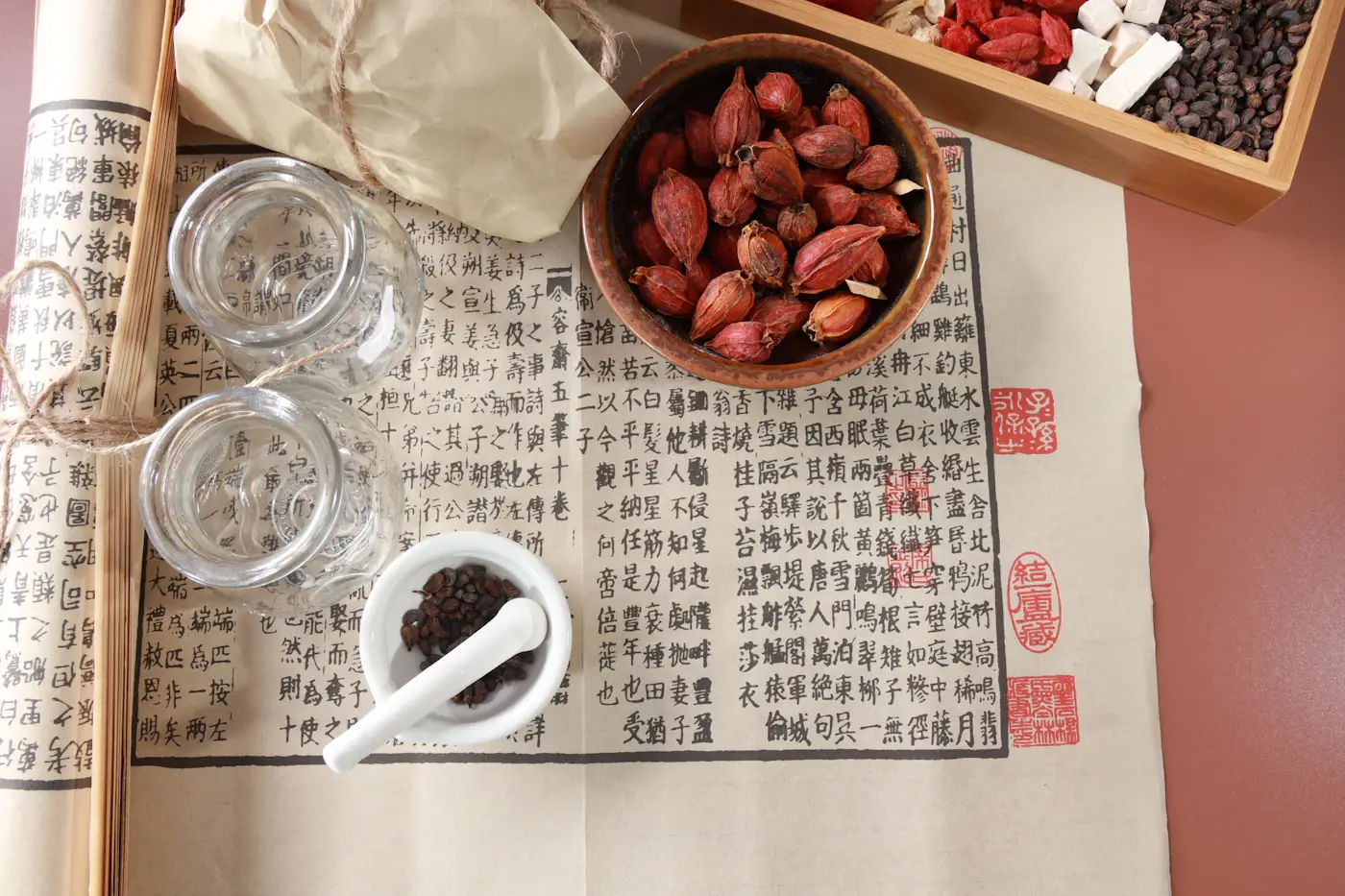
If you learn only one Chinese herbal formula, many teachers would say it should be Si Jun Zi Tang (四君子汤), the Four Gentlemen Decoction. It has just four ingredients, yet it is the foundation of dozens of later formulas. It also captures a central idea of Chinese medicine: when digestion is strong, the whole body has what it needs to recover.
At xemgiosinh.com, we use Si Jun Zi Tang to show how a formula is built. Each herb has a role, and together they do more than any one of them alone.
What Is Si Jun Zi Tang?
The formula was recorded in the Taiping Huimin Heji Jufang (Formulary of the Pharmacy Service for Benefiting the People), an official collection compiled during the Song dynasty. Its roots are older still. Similar combinations appear in earlier Tang-dynasty texts.
The name comes from Confucian ethics. A junzi (君子) is a person of noble, balanced character, never extreme or harsh. Like four such gentlemen, the four herbs are mild, sweet and moderate in temperature. They strengthen without overheating, drying out or stirring things up.
The Four Herbs and Their Roles
| Herb | Pinyin | Role | Typical dose | What it does |
|---|---|---|---|---|
| Ginseng root | Ren Shen | Chief (君) | 9 g | Strongly tonifies Spleen and Stomach Qi |
| White atractylodes | Bai Zhu | Deputy (臣) | 9 g | Strengthens the Spleen and dries dampness |
| Poria | Fu Ling | Assistant (佐) | 9 g | Drains dampness gently, supports the Spleen, calms the mind |
| Honey-fried licorice | Zhi Gan Cao | Envoy (使) | 6 g | Tonifies the center and harmonizes the formula |
Doses are typical textbook amounts for a daily decoction. A practitioner adjusts them for each person. Today, Dang Shen (Codonopsis) often replaces ginseng for milder cases.
The Pattern It Treats
Si Jun Zi Tang is designed for Spleen and Stomach Qi deficiency. In Chinese medicine the Spleen is the organ system that turns food into Qi and Blood. When it is weak, the signs typically include:
- A pale or sallow complexion
- A soft, weak voice and little desire to talk
- Poor appetite, or fullness after small meals
- Loose stools
- Tired, heavy limbs
- A pale tongue, sometimes with tooth marks on the edges
- A weak, soft pulse
The key is that these signs come from weakness, not from a blockage or heat.
How the Four Herbs Work Together
Ginseng provides the tonifying power. Bai Zhu makes sure that power is used by the Spleen and that dampness does not build up. Fu Ling drains what the Spleen cannot process. Licorice sweetens, harmonizes and binds the other three into one smooth formula.
This balance is important. Pure tonics can feel heavy and cloying on a weak digestive system. Si Jun Zi Tang tonifies and clears dampness at the same time, which is why it is so well tolerated.
Famous Variations
Much of Chinese formula-writing consists of modifying a base formula (加减). Si Jun Zi Tang has one of the largest families:
| Formula | What’s added | When it’s used |
|---|---|---|
| Yi Gong San | Chen Pi | Qi deficiency with mild stagnation and bloating |
| Liu Jun Zi Tang | Chen Pi, Ban Xia | Qi deficiency with phlegm, nausea or cough |
| Xiang Sha Liu Jun Zi Tang | Liu Jun Zi Tang + Mu Xiang, Sha Ren | Weak digestion with pain, belching and fullness |
| Shen Ling Bai Zhu San | Shan Yao, Lian Zi, Yi Yi Ren and others | Qi deficiency with chronic diarrhea and dampness |
| Ba Zhen Tang | Si Wu Tang (Blood tonics) | Deficiency of both Qi and Blood |
Si Jun Zi Tang vs Related Formulas
- Bu Zhong Yi Qi Tang is chosen when Qi is not only weak but sinking, as in prolapse or chronic fatigue that feels heavy and dragging.
- Xiao Yao San shares Bai Zhu, Fu Ling and licorice, but its main job is to relieve Liver Qi stagnation from stress. Weak digestion is secondary there.
- Si Wu Tang is the Blood-tonic counterpart. Si Jun Zi Tang and Si Wu Tang are combined into Ba Zhen Tang.
Preparation and Dosage
Traditionally, the herbs are cooked into a decoction and taken warm, in two doses a day. Tonic formulas are usually simmered longer than exterior-releasing ones. Our step-by-step guide to brewing a Chinese herbal decoction explains the process. Granules and concentrated pills are convenient alternatives. Follow your practitioner’s dosing, or the label on a quality-tested product.
Cautions
- Not for heat or excess patterns. Avoid it during a high fever, an acute infection, or when there are signs of heat such as thirst, a red tongue and a rapid pulse.
- Yin deficiency with dryness may be aggravated by Bai Zhu’s drying action.
- Medication interactions. Ginseng may affect blood sugar and interact with blood thinners, and licorice may affect blood pressure and potassium.
- Get a diagnosis. Fatigue and poor appetite can have many medical causes, so see a doctor as well.
What Modern Research Says
Most research on Si Jun Zi Tang consists of laboratory and animal studies on digestion and immune function, plus small clinical trials published mainly in China. Rigorous, large trials are still lacking. The NCCIH overview of Traditional Chinese Medicine is a balanced introduction to what is and isn’t known about Chinese herbal formulas in general.
Everyday Habits That Support the Formula
In Chinese medicine, a Spleen-strengthening formula works best alongside Spleen-friendly habits. Practitioners commonly suggest:
- Eating warm, cooked food. Soups, stews, congee and steamed vegetables are easier to digest than raw salads and iced drinks.
- Keeping regular mealtimes. The Spleen is said to thrive on rhythm, so try not to skip breakfast.
- Chewing slowly and eating without screens or work.
- Not overeating late at night, which burdens a weak digestion.
- Limiting very sweet, greasy and dairy-heavy foods, which are thought to create dampness.
- Managing worry and overthinking. Chinese medicine links these emotions to the Spleen, and they are known to affect appetite.
- Moving gently every day. A short walk after meals is a classic recommendation.
Foods traditionally considered supportive include rice, millet, oats, sweet potato, pumpkin, carrots, Chinese yam (Shan Yao) and red dates. None of this replaces a formula when one is needed. It simply helps the formula do its job.
Final Thoughts from the Xemgiosinh.com Team
Si Jun Zi Tang is simple, mild and foundational. It is the template for a whole family of digestive and energy formulas, and the clearest example of how Chinese medicine builds a prescription. Continue to the other guides in our classic formulas hub, or return to xemgiosinh.com for our complete introduction to Chinese herbal medicine.
Frequently Asked Questions
Why is it called the Four Gentlemen Decoction?
In Chinese culture, a junzi (gentleman) is balanced, mild and never extreme. The four herbs in this formula are gentle and neither too hot nor too drying, so they tonify without causing harm.
What is the difference between Si Jun Zi Tang and Liu Jun Zi Tang?
Liu Jun Zi Tang, the Six Gentlemen Decoction, adds Chen Pi (tangerine peel) and Ban Xia (pinellia). It suits the same weak digestion plus phlegm and dampness, with signs like nausea, bloating or a greasy tongue coat.
Can Si Jun Zi Tang be taken long term?
It is one of the gentler tonic formulas, and practitioners sometimes use it for weeks or months, adjusting it as symptoms change. Long-term use should still be supervised, especially if you take medication.
Can Dang Shen replace Ren Shen in the formula?
Yes. Many modern practitioners use Codonopsis (Dang Shen) instead of Asian ginseng for everyday cases. It is milder and more affordable, and ginseng is kept for more severe deficiency.